
After the Conquest: How the Nahua Rewrote Their World
The Ingenious Ways the Aztecs Survived—And Thrived—After Defeat

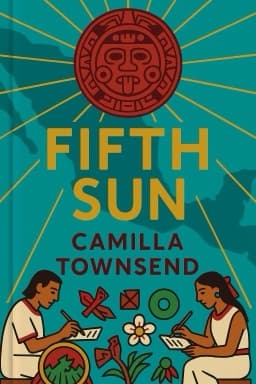
The Spanish conquest was a catastrophe for the Mexica, but it was not the end. In ‘Fifth Sun,’ Camilla Townsend follows the Nahua people into the aftermath, revealing a world of adaptation, resilience, and creativity. Nahua scribes learned to use the Roman alphabet, recording annals in Nahuatl and preserving their perspective for future generations. Markets became places of cultural fusion, where maize and wheat, feathered cloaks and European hats, mingled freely. Rituals survived, sometimes hidden within Catholic festivals, allowing communities to maintain spiritual continuity.
Townsend’s research shows that adaptation was not surrender. Nahua communities selectively adopted new practices while fiercely guarding their core values. Women played a key role as keepers of tradition, educators, and mediators. Education—both in the home and in new schools—became a tool for survival, ensuring that Nahuatl language and culture would endure. The Nahua story is a lesson in resilience: even when the world changes, identity can be preserved and renewed.
Today, Nahua descendants continue to speak their language, celebrate their festivals, and honor their ancestors. Townsend’s book is a testament to the power of adaptation—and a reminder that history is never finished. The story of the Mexica is still being written, in every classroom, market, and family gathering across Mexico.
Learn how the Aztecs survived the unthinkable—and how their legacy shapes Mexico to this day.
Want to explore more insights from this book?
Read the full book summary