
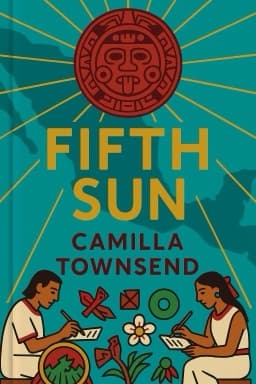
Aztecs Unmasked: What ‘Fifth Sun’ Reveals About Power, Faith, and Survival
Beyond Human Sacrifice: The Real Spiritual World of the Mexica

Forget everything you’ve seen in movies about the Aztecs. In ‘Fifth Sun,’ Camilla Townsend uncovers a world where faith and ritual are woven into the fabric of daily life—not as gory spectacle, but as acts of gratitude, hope, and community. The Mexica believed they lived under the Fifth Sun, an era sustained by the courage of gods and the sacrifices of mortals. Rituals were not just about appeasing deities; they were about ensuring the sun would rise, the rains would come, and the community would flourish.
Townsend’s sources—the Nahua annals—show that the Mexica were not fanatics, but pragmatic survivors. They understood the need to adapt, whether it meant negotiating with Spanish invaders or blending their rituals with new Catholic festivals. Women played crucial roles as diplomats, household managers, and keepers of tradition. Festivals were moments of joy and unity, filled with music, laughter, and storytelling. Even in the darkest times, the Mexica found ways to celebrate life and remember their ancestors.
The conquest was a trauma, but it was not the end. Nahua communities continued to honor their faith in new forms, writing their stories and adapting rituals to survive. Townsend’s book invites us to look past the stereotypes and see a people whose greatest strength was not violence, but resilience. Their story is a lesson for us all: survival depends on our ability to adapt, to remember, and to find meaning even in the face of loss.
Want to know the real Aztecs? Start with their own words—and let ‘Fifth Sun’ be your guide.
Want to explore more insights from this book?
Read the full book summary