
From Myth to Modern Mexico: The Enduring Power of Nahua Storytelling
Why the Aztecs’ Own Words Matter More Than Ever

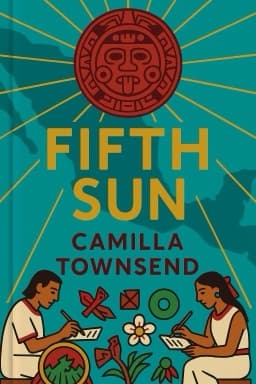
Every culture has its stories, but few have wielded them as powerfully as the Nahua people of central Mexico. In ‘Fifth Sun,’ Camilla Townsend reveals a world where history is not just a list of dates and rulers, but a living, breathing tradition—kept alive by annals, poetry, and communal memory. The Nahua annals, written in the Roman alphabet after the conquest, are remarkable for their intimacy and humor. They record not just the rise and fall of empires, but the laughter of children, the wisdom of elders, and the resilience of families facing unimaginable change.
Townsend’s book shows how Nahua storytellers used drama and dialogue to make sense of trauma. When the world changed—when temples fell and new rulers came—these writers did not simply mourn. They adapted, blending old myths with new realities. They wrote of gods and heroes, but also of neighbors and kin, weaving together the sacred and the everyday. In doing so, they created a record of endurance—a map for surviving catastrophe and finding meaning in the aftermath.
Today, the legacy of Nahua storytelling is everywhere. Nahuatl is spoken by over a million people. Festivals blend ancient rituals with modern celebrations. Artists paint murals that link the Fifth Sun to contemporary struggles and hopes. Townsend’s work reminds us that storytelling is not just about the past—it is a tool for healing, for building community, and for imagining new futures. In a world that often silences indigenous voices, the Nahua tradition stands as a beacon of resilience and creativity.
If you want to understand Mexico—not just its history, but its soul—listen to its stories. The Nahua annals are a gift to the world, and ‘Fifth Sun’ is your invitation to receive it.
Want to explore more insights from this book?
Read the full book summary