
Why 'Fifty Writers on Fifty Shades of Grey' Changed the Way We Talk About Desire
How a Single Anthology Opened Up the Conversation on Sex, Power, and Pop Culture

How a Single Anthology Opened Up the Conversation on Sex, Power, and Pop Culture
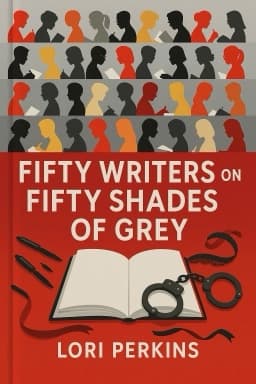
If you’ve ever wondered why a book about bondage and billionaire romance could become a household name, 'Fifty Writers on Fifty Shades of Grey' is the anthology that answers—and complicates—every question you might have. This collection, edited by Lori Perkins, brings together fifty perspectives from across the literary and cultural spectrum, each grappling with the phenomenon that was 'Fifty Shades of Grey.'
At its heart, the book is a testament to the power of conversation. The essays are divided into sections that mirror the public’s own journey: from shock and curiosity, to debate and introspection, to a broader understanding of how stories shape our lives. Contributors include romance novelists, erotica editors, academics, sex educators, and everyday readers, each with their own take on what the trilogy means—and what it means that so many people were reading it.
The first wave of essays explores how 'Fifty Shades' brought erotica into the mainstream. No longer hidden in the back of bookstores, erotic fiction was suddenly front and center at supermarkets and airports. This shift is more than just a marketing coup; it’s a sign of changing attitudes about what women are allowed to want, read, and talk about. The book’s success also owed much to technology—e-readers made it possible to read explicit stories in public without shame, fueling a surge in sales and sparking conversations that had long been taboo.
But the anthology doesn’t shy away from controversy. The second section dives into the feminist debates the trilogy ignited. Some writers celebrate the books for giving women permission to indulge in fantasy, while others worry that the story’s power dynamics reinforce outdated stereotypes. What emerges is a nuanced portrait of modern feminism—one that recognizes the difference between fantasy and reality, and insists on the right to choose your own adventure, even if it’s not politically correct.
The book also takes a deep dive into the enduring allure of the Byronic hero—those brooding, damaged men who populate both classic literature and contemporary romance. Why do so many readers find the idea of redeeming a troubled hero so appealing? Is it a sign of unhealthy expectations, or simply a safe way to explore vulnerability and hope? The essays offer a range of answers, drawing on literary history and personal experience alike.
Perhaps the most illuminating section deals with BDSM, consent, and the realities behind the fantasy. Practitioners and educators weigh in, clarifying misconceptions and emphasizing that real-life BDSM is built on trust, negotiation, and enthusiastic consent. The difference between fiction and reality is highlighted again and again—a theme that runs through the entire anthology.
The digital revolution in publishing is another major focus. The essays chart how e-books and self-publishing platforms democratized the industry, allowing new voices—especially women—to find audiences without traditional gatekeepers. This change is not just technological; it’s cultural, reshaping who gets to tell stories and which stories get told.
Finally, the book turns to the origins of 'Fifty Shades' in fanfiction, and the role of online communities in nurturing creativity. Fanfiction is described as a safe space for experimentation, where writers can hone their craft and readers can find stories that speak to their deepest desires. The leap from fanfic to bestseller is rare, but it’s a testament to the power of community and the endless possibilities of imagination.
What makes 'Fifty Writers on Fifty Shades of Grey' so compelling is its refusal to offer easy answers. Instead, it invites readers to join the conversation, to question their own assumptions, and to see the book not just as a phenomenon, but as a mirror for our own hopes and anxieties. In the end, the anthology is about more than sex or romance—it’s about the stories we tell, the questions we ask, and the future we create together. 2 3 4
Want to explore more insights from this book?
Read the full book summary