
Are Algorithms Making Us Boring? Inside the Global Homogenization of Culture
Why Every Coffee Shop, Song, and Style Feels the Same

Why Every Coffee Shop, Song, and Style Feels the Same
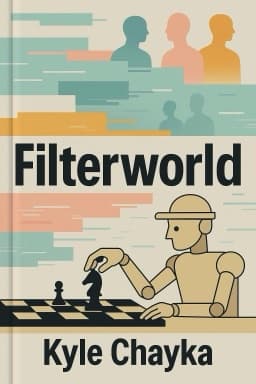
Step into almost any trendy café, and you’ll notice a pattern: the same minimalist décor, the same menu, the same ambient playlist. This isn’t just a design fad—it’s a symptom of what Kyle Chayka calls 'Filterworld,' a global ecosystem where algorithms drive not only what we see online but how we experience the world offline. The quest for the 'Instagrammable' has led to a feedback loop: what looks good in the feed gets replicated, and what gets replicated becomes the new standard.
The same feedback loop powers music, fashion, and even news. Platforms reward content that fits established patterns—catchy hooks, easy visuals, click-worthy headlines—while risk and surprise are sidelined. The result is a flattening of culture, where the unique and local are replaced by the generic and global. The viral Amazon coat, the omnipresent TikTok dance, the endless parade of similar-looking influencer posts: these are not accidents, but the algorithm at work.
But is this sameness inevitable? Not entirely. Local creators and independent businesses are fighting back, using manual curation and word-of-mouth to preserve authenticity. Some cities have even begun to regulate chain stores and digital advertising to protect their character. And as readers of 'Filterworld' discover, the craving for the unexpected is growing. Serendipity, it turns out, is an algorithm’s biggest blind spot.
Ultimately, the blog argues, the future of culture depends on our willingness to seek out the different, the daring, and the truly new. Algorithms may shape the mainstream, but the margins are where creativity still thrives.
Want to explore more insights from this book?
Read the full book summary