
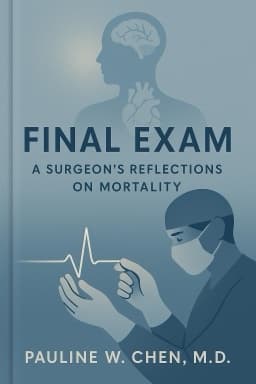
The Hidden Curriculum of Medicine: How Rituals and Humor Shape Doctors’ Souls
Exploring the unspoken lessons that transform medical students into resilient, compassionate physicians.
Exploring the unspoken lessons that transform medical students into resilient, compassionate physicians.
Beyond textbooks and lectures, medical training is shaped by a hidden curriculum—unspoken norms, rituals, and cultural practices that deeply influence how doctors think, feel, and act.
Rituals such as the meticulous hand scrub before surgery and the solemnity of morbidity and mortality conferences provide stability amid clinical chaos. They symbolize commitment to standards and foster team cohesion. Black humor, often dark and irreverent, serves as a vital emotional release, bonding colleagues and diffusing stress.
However, the hidden curriculum can also perpetuate emotional suppression and rigid hierarchies that may hinder empathy and innovation. Recognizing these dynamics is essential for reforming medical education to better support physician well-being and compassionate care.
Understanding the hidden curriculum reveals why some attitudes toward death and dying persist despite formal education. It also highlights opportunities to cultivate resilience and humanism by consciously shaping these informal teachings.
References:
Want to explore more insights from this book?
Read the full book summary