
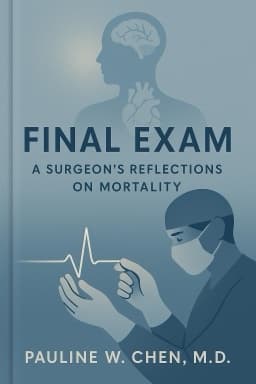
Unlocking the Secrets of Medical Training: What They Don’t Tell You About Death and Healing
A deep dive into the hidden emotional journey of medical professionals confronting mortality from anatomy labs to end-of-life care.

A deep dive into the hidden emotional journey of medical professionals confronting mortality from anatomy labs to end-of-life care.
Medicine is often portrayed as a heroic, science-driven pursuit of cures and life-saving interventions. Yet beneath the surface lies a deeply human story — one of confronting mortality, managing grief, and finding meaning amidst suffering. This journey begins long before doctors ever meet patients, starting in the anatomy lab where the first encounter with death leaves an indelible mark. Students face the cadaver, a silent teacher whose gift is both knowledge and a confrontation with their own vulnerability. The experience is overwhelming, evoking dreams, denial, and the use of black humor as a coping mechanism. Historically, the journey to this moment was shadowed by grave robbing and legal battles, underscoring society’s complex relationship with death and the body.
Transitioning from the lab to the hospital wards, the realities intensify. The first code blue call thrusts trainees into chaotic, exhausting resuscitations where life and death hang in balance. The hierarchical nature of medical teams shapes learning but also adds pressure and fear. Young doctors learn to suppress emotions to maintain composure, though this internal conflict simmers beneath the surface. These early clinical experiences are sobering, teaching humility and perseverance.
Residency further tests endurance with long hours and emotional fatigue. Caring for chronically ill patients, many of whom face terminal illnesses, residents confront the limits of medicine. Studies reveal persistent aggressive treatments at life’s end despite efforts to improve communication and care, highlighting systemic barriers. The culture of medicine, with its rituals and hidden curriculum, transmits unspoken lessons about detachment, hierarchy, and coping strategies like black humor. These shape professional identity but can also hinder compassionate care.
Morbidity and Mortality conferences serve as forums for reflection and accountability, balancing the pursuit of clinical perfection with acceptance of human fallibility. They are emotionally challenging but essential for growth. Increasingly, these meetings include discussions on communication and ethical dilemmas, fostering a more holistic approach to patient care.
At the heart of effective medicine lies the art of truly seeing patients as whole persons. Clinical observation extends beyond tests to subtle cues—skin tone, posture, emotional expression—that reveal deeper truths. Balancing empathy with professional detachment is a learned skill essential for compassionate care. Physicians’ own experiences influence their approach, highlighting the importance of self-awareness.
Ethical dilemmas abound at life’s end, where aggressive treatments may prolong suffering without improving quality of life. The principle of 'first, do no harm' guides physicians as they navigate patient autonomy, hope, and realism. Palliative care offers a compassionate alternative, emphasizing symptom relief and dignity. Cultural and systemic shifts are gradually transforming how medicine approaches death.
Delivering bad news is one of the most difficult tasks for physicians. Many lack formal training in communication, yet compassionate disclosure profoundly affects patient and family experience. Techniques like clear language, allowing silence, and responding to emotions build trust and ease distress. The human connection in these moments reminds us that medicine heals hearts as well as bodies.
Ultimately, embracing mortality is a source of liberation. Though humans often deny death, awareness deepens appreciation for life and enriches relationships. Physicians who accept their own mortality provide more authentic and compassionate care. The evolving medical culture increasingly recognizes this, promoting holistic, patient-centered approaches that honor both life and death.
This exploration reveals the hidden emotional landscape of medicine, inviting patients and professionals alike to face mortality with courage, empathy, and hope. By understanding these journeys, we can foster a more humane health care system that honors the profound truths at life’s end.
References:
Want to explore more insights from this book?
Read the full book summary