
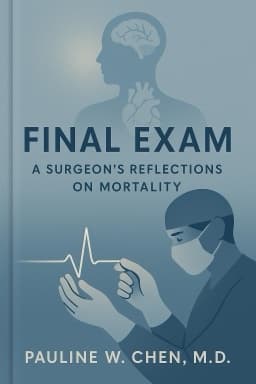
When Medicine Meets Mortality: How Doctors Learn to Say Goodbye
Mastering the delicate art of delivering bad news with compassion and clarity.

Mastering the delicate art of delivering bad news with compassion and clarity.
Delivering bad news is one of the most challenging aspects of medical practice. Despite its frequency, many physicians receive minimal formal training on how to communicate effectively and compassionately.
Effective communication requires clear, jargon-free language that patients can understand. Allowing moments of silence gives space for processing emotions, while responding empathetically to tears, anger, or disbelief fosters trust and connection. These skills are increasingly emphasized in medical curricula to better prepare physicians.
Stories abound of how a well-handled conversation can ease suffering and empower patients, while poor communication can exacerbate fear and confusion. The human connection in these moments reminds us that medicine is as much about healing hearts as treating bodies.
Improving communication skills benefits not only patients but also physicians, reducing burnout and enhancing professional satisfaction. As medicine evolves, embracing these interpersonal skills is essential for holistic, patient-centered care.
References:
Want to explore more insights from this book?
Read the full book summary