
High-Frequency Trading: The Speed Race That Changed Wall Street Forever
How Microseconds and Machine Algorithms Reshaped Global Markets and Created New Winners and Losers

In the world of finance, speed is money—literally. High-frequency trading (HFT) emerged as a dominant force in the early 21st century, leveraging cutting-edge technology to execute trades in microseconds. This revolution transformed markets from human-driven arenas into battlegrounds of machines, where the fastest algorithms reap the greatest rewards.
Firms invested hundreds of millions in infrastructure, including colocating servers adjacent to exchange computers and laying custom fiber-optic cables. This technological arms race created barriers to entry and reshaped market dynamics, favoring those with the best hardware and software.
HFT strategies include arbitrage, market making, and momentum ignition, each exploiting tiny price discrepancies and fleeting opportunities. The benefits are tangible: increased liquidity, reduced bid-ask spreads, and more efficient price discovery. However, these advantages come with risks. The speed and complexity of HFT can exacerbate volatility, create unfair advantages, and challenge traditional regulatory frameworks.
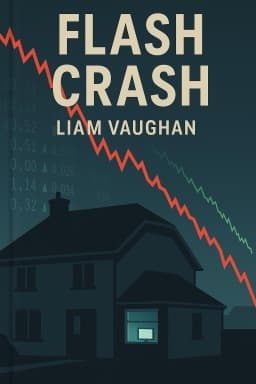
Events like the Flash Crash highlight the systemic vulnerabilities introduced by HFT. Automated algorithms can interact unpredictably, triggering cascades of orders that destabilize markets. Regulators continue to grapple with these challenges, seeking to balance innovation with stability and fairness.
Understanding HFT is essential for anyone navigating modern financial markets. It exemplifies how technology reshapes industries, creating new opportunities and risks. The ongoing evolution of HFT will continue to influence market structure, regulation, and the very nature of trading itself.
Sources include financial journalism on HFT growth, academic research on market microstructure, and analyses of regulatory responses to high-speed trading. 1 3
Want to explore more insights from this book?
Read the full book summary