
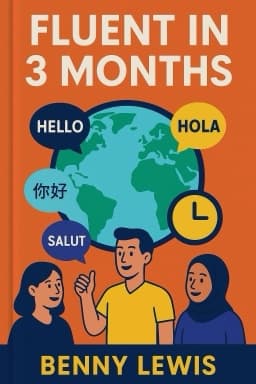
Shatter Language Learning Myths and Unlock Your Polyglot Potential Today!
Discover how debunking common myths and embracing smart strategies can transform your language journey.

Language learning is a journey filled with excitement, challenges, and sometimes, discouragement. Many of us start with enthusiasm, only to be held back by persistent myths that tell us 'I’m too old,' 'I don’t have the talent,' or 'It takes too much time.' But what if these were just invisible walls built by misconception? Recent research and the experiences of seasoned polyglots reveal that these common beliefs are far from the truth. Adults, in fact, have unique advantages such as analytical skills and life experience that children lack, enabling them to learn efficiently when armed with the right strategies.
Setting clear, specific goals is a game changer. Instead of vague ambitions like 'I want to learn Spanish,' aim for measurable targets such as 'reach conversational level in three months.' Breaking your mission into mini-challenges keeps motivation high and progress tangible. But beware burnout—balance intense study with rest and social interaction to maintain mental energy.
Vocabulary is the building block of language, yet rote memorization often leads to frustration. The keyword method, which pairs new words with vivid, humorous images, helps embed vocabulary deeply. For example, linking the French word "gare" (train station) with a mental image of Garfield chasing a train makes recall effortless. Spaced repetition systems like Anki optimize review timing, ensuring long-term retention without wasted effort.
Immersion is the secret sauce for fluency, but it doesn’t require travel. Create your own language bubble by engaging with native speakers online, consuming foreign media, and joining local meetups. Even passive exposure to radio, TV, and books tunes your brain to the language’s rhythms and vocabulary.
Speaking from day one is essential. Waiting for the 'right moment' only delays your growth. Imperfect speech is better than silence; communication is about being understood, not perfection. Use notes, phrasebooks, or translation apps to support early conversations.
Every language has unique features—tones, scripts, cognates—that require tailored approaches. Recognizing cognates accelerates vocabulary acquisition, while tonal languages demand focused practice to master pitch and intonation. For complex scripts, start with phonetic alphabets to ease the learning curve.
Fluency is a milestone, but mastery is a lifelong journey involving nuanced expression, advanced grammar, and cultural understanding. Engaging with native-level media like novels, podcasts, and films deepens linguistic intuition and appreciation for cultural context.
Accent reduction and cultural adaptation enhance clarity and social connection. Focus on clear pronunciation and natural intonation rather than erasing your accent. Adapting body language and social norms fosters rapport and belonging in your new language community.
For those learning multiple languages, sequential focus prevents confusion. Mental and physical cues—different accents, gestures, and study spaces—help your brain switch contexts smoothly. Regular maintenance keeps languages vibrant, allowing dormant ones to be reawakened.
Finally, a wealth of free and affordable resources awaits. From apps like Duolingo and Memrise to public libraries and online forums, you can access quality materials without breaking the bank. Community engagement through language exchanges and meetups offers priceless practice and motivation.
Embrace these insights and strategies to transform your language learning journey into a joyful, empowering adventure. Remember, every word learned is a step toward a richer, more connected life.
Sources: Metalearn.net on language myths 3 , HuntingTheMuse.net polyglot insights 1 , Medium.com polyglot tips 2 , Reddit language learning community 4
Want to explore more insights from this book?
Read the full book summary