
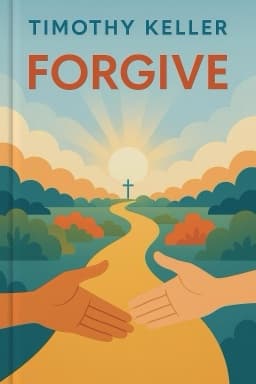
Cancel Culture vs. Forgiveness: Navigating the Modern Dilemma
How can we balance justice and mercy in a world that often rejects forgiveness?

Forgiveness is under siege in the digital age, where cancel culture and social media often leave little room for mercy. Public mistakes can become permanent marks, and calls for accountability sometimes overshadow the possibility of grace.
This cultural climate creates a crisis where forgiveness is viewed with suspicion or dismissed as weakness. At the same time, victims’ voices must be heard and justice pursued, creating a complex tension between justice and mercy.
True forgiveness does not ignore wrongdoing or justice but transcends retaliation and bitterness. It requires courage to hold pain and anger together with hope and nonviolence.
By understanding forgiveness as a courageous and restorative act, we can navigate this modern dilemma and foster communities that value both accountability and grace.
Sources: Contemporary cultural critiques, biblical forgiveness principles, social justice discussions 2 , 3 , 4 .
Want to explore more insights from this book?
Read the full book summary