
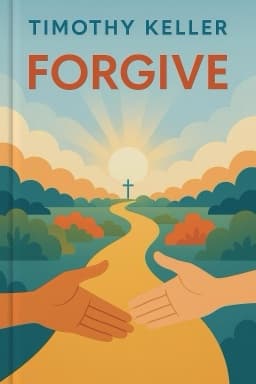
Why Forgiveness Is the Most Radical Act You’ll Ever Choose
Explore forgiveness as a revolutionary force that defies cultural norms and heals the deepest wounds.

In a world that often demands justice and retribution, forgiveness can seem like a radical and even dangerous choice. It challenges our natural instincts for revenge and calls us to a higher ethic of love and mercy. Forgiveness is not about forgetting or excusing harm but about making a courageous decision to absorb the cost of another’s wrongdoing and release the desire for retaliation.
Historically, forgiveness was virtually unknown in many ancient cultures that valued honor and revenge. It was Christianity that introduced forgiveness as a revolutionary ethic, emphasizing love for enemies and non-retaliation. This ethic was countercultural and shaped the moral foundation of Western civilization.
At the core of this ethic is the paradox of God’s nature—both loving and wrathful. God’s wrath is not human anger but holy justice, expressing His love by opposing evil. The cross of Christ reconciles this paradox, satisfying divine justice while revealing infinite love, making forgiveness possible.
Forgiveness is also a psychological liberation. It involves voluntary suffering, a deliberate act of will that frees the forgiver from bitterness and resentment. It is a process that requires ongoing effort but leads to emotional healing and peace.
By choosing forgiveness, we break cycles of retaliation and open the door to reconciliation and restored relationships. Forgiveness is not weakness but the most radical act of love and courage we can make.
Sources: Psychological and spiritual perspectives on forgiveness, historical and biblical insights 2 , 3 , 4 .
Want to explore more insights from this book?
Read the full book summary