
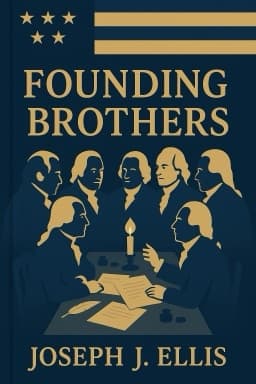
The Dinner That Changed America: Inside the Founders’ Secret Deal
How a private meal shaped the nation’s financial future and its capital.

How a private meal shaped the nation’s financial future and its capital
History often turns on moments hidden from public view. In ‘Founding Brothers’, Joseph Ellis recounts the legendary dinner party where Thomas Jefferson, Alexander Hamilton, and James Madison struck the Compromise of 1790. The stakes were immense: the new nation was drowning in debt, and sectional tensions threatened to tear the union apart. Over wine and whispered conversation, the three men hammered out a bargain—federal assumption of state debts in exchange for locating the capital on the Potomac. This quiet act of compromise stabilized the nation’s finances and created a symbolic center for American identity.
The dinner was more than a political transaction; it was a test of trust and personal diplomacy. Each man risked his reputation and his region’s interests. The result was neither side getting everything they wanted, but both sides gaining enough to move forward. Ellis’s account reminds us that democracy thrives on negotiation, empathy, and the art of the possible. The lesson of the dinner at Maiden Lane is as relevant today as it was in 1790: real progress comes from listening, understanding, and meeting in the middle. 1 2
Want to explore more insights from this book?
Read the full book summary