
Why These 4 American Classics Still Matter: Moral Complexity and the Human Condition
A deep dive into the timeless themes of sin, courage, justice, and redemption that define American literary heritage.

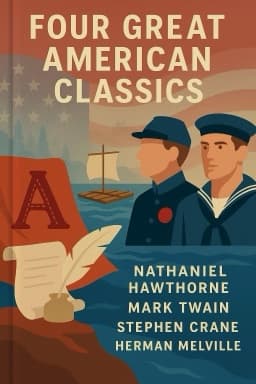
American literature’s rich heritage is profoundly shaped by four seminal works that explore the depths of human morality and social conflict. Nathaniel Hawthorne’s 'The Scarlet Letter', Mark Twain’s 'Adventures of Huckleberry Finn', Stephen Crane’s 'The Red Badge of Courage', and Herman Melville’s 'Billy Budd' each offer unique perspectives on the challenges of conscience, courage, and justice.
These novels collectively examine the tension between individual identity and societal expectations. Hawthorne’s critique of Puritanism reveals the harshness of public judgment and the resilience of the human spirit. Twain’s river journey challenges entrenched racial prejudices and celebrates the power of friendship and moral growth. Crane’s portrayal of war strips away romantic illusions to reveal the psychological realities of fear and valor. Melville’s naval tragedy probes the limits of law and the tragic consequences of moral absolutism.
Together, they form a complex dialogue about the nature of sin, redemption, courage, and justice that resonates across time. Their enduring impact lies in their ability to provoke reflection on the ambiguities of human experience and the ongoing struggle to live with integrity and empathy.
For readers and scholars alike, these works offer invaluable insights into the American ethos and the universal quest for meaning. Extensive critical literature and scholarly discourse continue to explore their themes, ensuring their place at the heart of literary and cultural studies.
As we reflect on these masterpieces, we recognize their power to inspire hope, challenge assumptions, and deepen our understanding of what it means to be human in a complex world. 1 5 7 9
Want to explore more insights from this book?
Read the full book summary