
Why Small Fines Can Make Things Worse: The Surprising Psychology of Incentives
Explore how well-meaning policies can backfire when incentives are misunderstood, and learn how to design better systems.

Imagine a day-care center struggling with parents who routinely pick up their children late. To solve this, the center introduces a small fine, expecting that a financial penalty will encourage punctuality. Instead, late arrivals double. How could a fine cause more lateness?
The answer lies in the complex psychology of incentives. Before the fine, parents felt a moral obligation and social pressure not to inconvenience the staff or other parents.
This story illustrates that incentives come in three main forms: economic (money), social (peer pressure), and moral (personal ethics). Effective policy design must consider all three. For example, raising the fine significantly restored the deterrent effect by making lateness genuinely costly, combining economic and moral incentives.
Moreover, the day-care case is not unique. Similar phenomena occur in traffic fines, workplace penalties, and even parenting strategies.
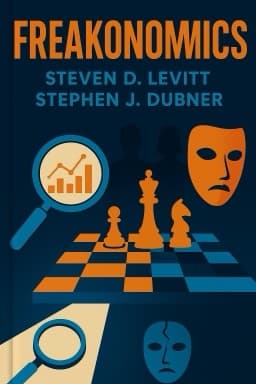
Behavioral economics, as highlighted by Freakonomics, teaches us to look beyond simple cause-and-effect and appreciate the nuanced motivations behind human actions. This insight is invaluable for anyone seeking to influence behavior, whether in public policy, business, or daily life.
By embracing this complexity, we can design systems that harness incentives wisely, promoting cooperation, fairness, and positive outcomes.
Want to explore more insights from this book?
Read the full book summary