
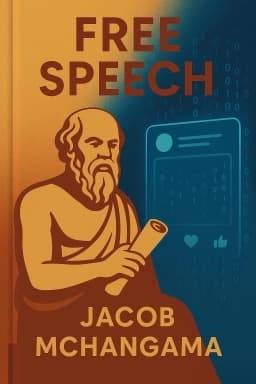
The Hidden History of Free Speech: How Power, Technology, and Fear Shape What We Can Say
An eye-opening look at the forces behind free speech’s limits and freedoms through the ages.

Behind the ideal of free speech lies a story of struggle between those who seek to control what is said and those who fight to speak freely. From ancient rulers who punished dissenters to modern governments grappling with digital censorship, power dynamics have always influenced speech.
Technological advances have repeatedly shifted this balance. The printing press broke monopolies on information, enabling mass dissemination of ideas. Centuries later, the internet shattered traditional gatekeepers, allowing anyone with a smartphone to broadcast their voice globally. Yet, with these advances come new forms of control: algorithmic moderation, surveillance, and legal restrictions justified by fear of disorder or hate.
Fear remains a powerful force shaping free speech. Whether fear of political instability, social fragmentation, or cultural difference, societies have often responded by restricting speech. This tension between liberty and security is a constant theme throughout history.
Understanding these forces helps us appreciate the fragility and value of free speech. It is not a static right but a dynamic, contested space requiring vigilance, cultural commitment, and adaptation to new challenges.
Want to explore more insights from this book?
Read the full book summary