
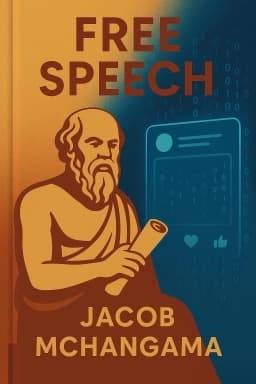
Why Free Speech Isn’t What You Think: Shocking Truths From History’s Greatest Battles
Uncover the surprising realities behind free speech and how power has always shaped its limits.
When you hear 'free speech,' you might imagine an unbounded right to say anything, anywhere, anytime. But the history of free speech tells a different tale—one shaped by power, privilege, and persistent struggle. In ancient Athens, the right to speak freely was reserved for free male citizens, excluding women, slaves, and foreigners. Even then, the fate of a philosopher who dared question the status quo reminds us that free speech was fragile and conditional.
During the Middle Ages, the idea of free speech was largely subordinated to religious authority. The Inquisition’s meticulous records reveal how dissent was criminalized and punished. Yet, paradoxically, some societies like the Abbasid Caliphate fostered intellectual debate, illustrating that tolerance has always been uneven across cultures and times.
The invention of the printing press democratized speech but also intensified conflicts over control. The rapid spread of pamphlets and broadsheets empowered reformers but also provoked harsh censorship and violent backlash. The revolutionary era enshrined free speech into law, yet early democracies struggled with sedition laws that limited expression during crises.
The 20th century’s totalitarian regimes perfected the art of controlling speech through propaganda, censorship, and fear. The chilling spectacle of book burnings and state-controlled media reveals how information control is a key tool of oppression. Yet, underground resistance and samizdat literature kept hope alive.
In the digital age, the paradox deepens. Social media platforms offer unprecedented platforms for expression but also wield opaque algorithms that shape what we see and hear. Governments and corporations grapple with regulating speech without stifling it, while concerns about misinformation and hate speech fuel calls for control.
These historical lessons remind us that free speech is not simply about the right to talk but about power, access, and responsibility. Who gets to speak, who listens, and who controls the channels are questions as old as democracy itself. Understanding these complexities is crucial for navigating today’s debates and protecting free speech for tomorrow.
Want to explore more insights from this book?
Read the full book summary