
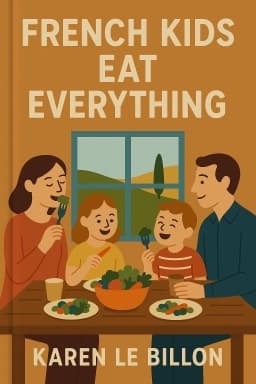
10 French Food Rules That Will Change How Your Kids Eat Forever
Unlock the 10 simple yet powerful French food rules that tame picky eating and build lifelong healthy habits.

Raising children who eat a wide variety of healthy foods without constant battles may seem like a dream. Yet, in France, this is the norm thanks to a set of ten simple food rules that guide parenting and family life around food.
Rule 1: Parents Are in Charge of Food Education. French parents take responsibility for teaching children how to eat well, setting clear expectations without bribery or coercion.
Rule 2: Food Is Not a Reward or Pacifier. Avoid using food to soothe emotions or control behavior, fostering healthy emotional relationships with eating.
Rule 3: Meals Are Scheduled and Structured. Children eat three main meals and one balanced snack daily, with no grazing between.
Rule 4: Children Eat What Adults Eat. No short-order cooking or special meals for picky children; everyone shares the same food.
Rule 5: Snacks Are Limited and Timed. The goûter is a small, nutritious snack that maintains appetite for main meals.
Rule 6: Repeated Exposure Builds Acceptance. Children may need to try new foods multiple times before liking them, so patience is key.
Rule 7: Meals Are Social and Slow. Eating is a communal activity done at the table without distractions, savoring each bite.
Rule 8: Table Manners Are Taught Early. Children learn to eat tidily, use utensils properly, and respect food and others.
Rule 9: Schools Reinforce Food Education. School meals are balanced and accompanied by lessons on nutrition and taste.
Rule 10: Joy and Balance Are Central. The focus is on enjoying food and connection, with healthy habits developing naturally.
Implementing these rules requires consistency and patience but yields remarkable results. Children learn to trust their hunger, accept a variety of foods, and enjoy meals as social occasions. This approach reduces stress for parents and fosters lifelong healthy eating habits.
By adopting these principles, you can turn mealtimes from battlegrounds into celebrations of food and family.
Sources: French Kids Eat Everything by Karen Le Billon, Amazon reviews, Everyday Reading summaries.
Want to explore more insights from this book?
Read the full book summary