
7 Surprising Ways Mindfulness Can Transform Your Life (Backed by Science!)
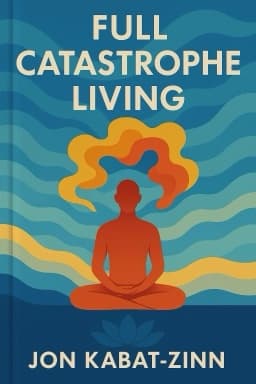
Discover the hidden science and practical magic behind Jon Kabat-Zinn's 'Full Catastrophe Living.'

What is Mindfulness, Really?
Mindfulness is more than sitting cross-legged and chanting 'Om.' At its essence, mindfulness is about paying full attention to the present moment—on purpose and without judgment. Jon Kabat-Zinn, the pioneer behind Mindfulness-Based Stress Reduction (MBSR), describes it as 'the awareness that arises from paying attention, on purpose, in the present moment, non-judgmentally.' In 'Full Catastrophe Living,' Kabat-Zinn offers a practical roadmap to cultivate this awareness, making it accessible to anyone, regardless of background or belief.
1. Stress Reduction That Lasts
Studies show that regular mindfulness practice can reduce stress hormones like cortisol, lower blood pressure, and improve overall mood. MBSR participants report not just feeling calmer, but also handling life's curveballs with more grace. The secret? Mindfulness interrupts the automatic fight-or-flight response, giving you space to choose how to respond rather than react impulsively.
2. Chronic Pain Relief—No Pills Required
One of the most remarkable findings in the book is that mindfulness can help people manage chronic pain—sometimes more effectively than medication. By learning to observe pain sensations without resistance, participants often report less suffering, even if the pain itself remains. This shift in relationship to pain is life-changing for many. 1 3
3. Boosting Your Immune System
Did you know that mindfulness can literally make you healthier? Research cited in 'Full Catastrophe Living' and subsequent studies have shown that MBSR boosts immune function, helping your body fight off illness more effectively. In one study, participants who practiced mindfulness had a stronger antibody response to the flu vaccine.
4. Rewiring Your Brain for Joy
Neuroplasticity—the brain’s ability to change—means that mindfulness can actually reshape your brain. MRI scans reveal that regular meditators have more gray matter in areas linked to emotional regulation and empathy. The result? Greater resilience, less anxiety, and a deeper sense of well-being. 2 4
5. Healing Relationships
Mindfulness isn’t just an individual practice. When brought into relationships, it fosters deep listening, empathy, and compassion. Couples who practice mindful communication argue less and connect more. Parents find themselves less reactive with their children. Even workplaces become less toxic when mindfulness is part of the culture.
6. Living with the 'Full Catastrophe'
The phrase 'full catastrophe' refers to embracing all of life—the joys, the sorrows, the messiness. Instead of seeking perfection or escape, mindfulness teaches us to turn toward our experience, whatever it is, with kindness and curiosity. This attitude transforms even the hardest moments into opportunities for growth and healing.
7. Everyday Practices Anyone Can Try
The book is filled with practical exercises: mindful breathing, body scans, gentle yoga, and 'raisin meditation'—eating a single raisin with full attention! These simple practices can be woven into any routine, making mindfulness a living, breathing part of daily life.
Conclusion: Start Where You Are
You don’t need to retreat to a monastery to benefit from mindfulness. Start with a single breath, a moment of noticing, or a pause before reacting. As Kabat-Zinn reminds us, 'As long as you are breathing, there is more right with you than wrong with you.' The science is clear: mindfulness works. The invitation is open—will you step in?
Want to explore more insights from this book?
Read the full book summary