
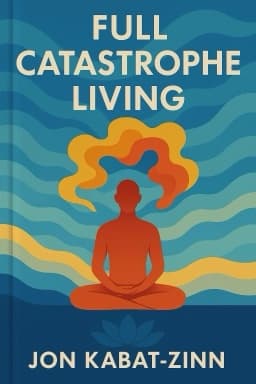
The Science Behind Mindfulness: How 'Full Catastrophe Living' Changed Medicine Forever
Explore the groundbreaking research that made mindfulness mainstream—and what it means for your health.

From Hospital Basement to Global Phenomenon
In the late 1970s, Jon Kabat-Zinn began teaching mindfulness to patients with chronic pain and illness. The results were astonishing: not only did people feel better emotionally, but many saw measurable improvements in their physical health. Today, MBSR is offered in hospitals worldwide, and the research keeps growing. 1 2
Brain Changes You Can See
Modern imaging studies show that mindfulness increases gray matter in brain regions linked to memory, learning, and emotional regulation. Regular practice quiets the amygdala (the brain’s fear center) and boosts activity in the prefrontal cortex (responsible for wise decision-making).
Stronger Immunity, Faster Healing
One of the most dramatic findings: mindfulness can speed up healing. In one study, psoriasis patients who practiced mindfulness during light therapy healed four times faster. Other research shows that meditators mount a stronger immune response to vaccines and infections. 2 4
Pain Relief Without Pills
Mindfulness helps people manage chronic pain by changing their relationship to discomfort. Instead of fighting pain, participants learn to observe sensations with curiosity and compassion. This approach reduces suffering and can even decrease the need for medication.
Emotional Well-being and Resilience
MBSR participants report less anxiety, depression, and burnout. Mindfulness strengthens emotional resilience, making it easier to bounce back from setbacks. It’s now used to treat everything from PTSD to workplace stress. 3
What This Means for You
The science is clear: mindfulness isn’t just a spiritual practice—it’s a powerful tool for healing body and mind. Whether you’re facing illness, stress, or just the demands of daily life, the evidence suggests that mindfulness can help you thrive.
Want to explore more insights from this book?
Read the full book summary