
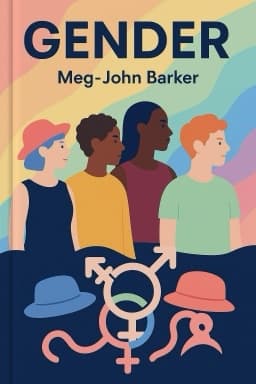
Inside the Gender Revolution: How Culture, Power, and Identity Collide
Explore the cultural forces shaping gender and how power dynamics influence identity and social roles worldwide.
Gender is not just a personal identity; it is a powerful social force shaped by culture, history, and systems of power.
But patriarchy is not the only way societies organize gender. Matriarchal and egalitarian societies exist, where power flows through women or is shared more equally. These cultures often have different kinship systems, inheritance patterns, and social roles, showing that gendered power is flexible and culturally specific.
Beyond binary gender roles, many cultures recognize multiple genders with distinct social and spiritual roles. The hijras of South Asia, for example, are a recognized third gender with unique cultural significance. Similarly, sworn virgins in the Balkans take on male social roles for family and social reasons, challenging conventional gender norms.
Intersectionality is crucial to understanding gender’s complexity. Gender intersects with race, class, disability, and other identities, creating layered experiences of privilege and discrimination. Black transgender women face disproportionately high violence rates, a tragic example of compounded marginalization.
Understanding these cultural and power dynamics helps us see gender not as a fixed identity but as a social landscape shaped by history and context. This awareness is vital for creating more equitable societies where all gender identities are respected and valued.
By exploring the intersections of gender, culture, and power, we can better support movements for gender justice and human rights worldwide. The gender revolution is ongoing, inviting us to rethink old norms and embrace diversity in all its forms.
Want to explore more insights from this book?
Read the full book summary