
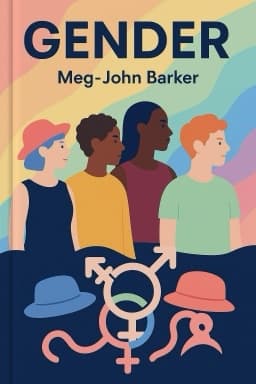
Unraveling Gender: Why the Binary is Breaking and What It Means for You
Discover the fascinating journey beyond male and female, and why understanding gender as a spectrum changes everything.

For centuries, society has clung to the idea that there are only two genders: male and female. This binary view has shaped laws, social norms, and personal identities. Yet, as we step further into the 21st century, this rigid framework is being challenged and dismantled.
Consider the natural diversity of human bodies. Intersex individuals, who possess biological traits that do not fit typical definitions of male or female, make up about 1.7% of the population—roughly as common as redheads. This biological reality alone questions the neatness of the binary system.
Moreover, many cultures throughout history and around the world have recognized more than two genders. From the hijras in South Asia to the alyha among the Mohave in North America, these gender-variant roles carry unique social and spiritual significance. They remind us that gender is fluid and culturally defined rather than fixed and universal.
Modern psychology and sociology echo this complexity. Gender identity—the deeply felt internal sense of being male, female, both, neither, or somewhere else entirely—does not always align with the sex assigned at birth. Gender expression—the outward presentation through clothing, behavior, and pronouns—is equally diverse and personal.
Nonbinary, genderfluid, agender, and other identities challenge the binary and invite us to embrace a spectrum of possibilities. This shift not only validates individual experiences but also promotes social inclusion and mental well-being.
Understanding gender as a spectrum helps dismantle stereotypes and reduce discrimination. It opens space for authentic self-expression and recognizes the rich tapestry of human identity. As society evolves, so too does the language and culture around gender, reflecting a more inclusive future where everyone can be seen and valued for who they truly are.
By embracing the complexity of gender, we move toward a world that celebrates difference rather than fears it. This journey invites us all to question old assumptions and open our hearts to new understandings.
To learn more about how gender intersects with culture, power, and personal identity, continue exploring the rich stories and research that reveal the many faces of gender in our world.
Want to explore more insights from this book?
Read the full book summary