
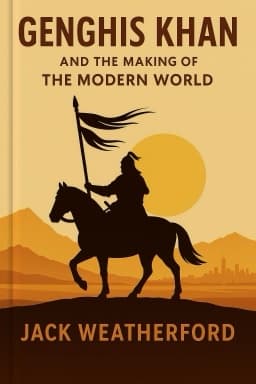
How Genghis Khan Conquered the World: The Untold Secrets Behind the Mongol Empire’s Rise
Discover the astonishing strategies and resilience that propelled a boy from the steppe to the architect of the largest empire in history.

Imagine the vast and untamed Mongolian steppe, where a young boy named Temujin was born into a world rife with danger, betrayal, and survival challenges. Orphaned early, kidnapped, and enslaved, his early life was a crucible that forged resilience and unyielding determination. This boy would grow to become Genghis Khan, a name synonymous with conquest and empire-building.
Resilience Born from Hardship
Temujin's survival against overwhelming odds was no mere accident. His ability to navigate tribal betrayals and captivity shaped a leader who valued loyalty and merit over lineage alone. Central to Mongol identity was the Spirit Banner — a sacred symbol crafted from horsehair, believed to carry the warrior's soul and destiny, fluttering against the eternal blue sky. This banner was more than a symbol; it was the heart of Mongol unity and courage.
Innovations in Military Strategy
The Mongol army was a marvel of organization and tactics. Structured into a decimal system—units of 10, 100, 1000, and 10,000 warriors—it allowed precise command and rapid deployment. The exclusive use of cavalry, particularly horse archers, gave them unmatched speed and mobility. Techniques like feigned retreats and psychological warfare disoriented enemies, often winning battles without prolonged fights. Mongol forces also adopted siege technologies from conquered peoples, turning traditional weaknesses into strengths.
Unification Through Meritocracy
Genghis Khan’s genius lay in transcending tribal divisions. He restructured Mongol society to reward talent and loyalty, rather than noble birth. This merit-based system created a disciplined and loyal force, culminating in the historic khuriltai assembly that proclaimed him Great Khan. This unification ended centuries of tribal warfare and set the stage for an empire stretching from the Pacific to Eastern Europe.
From a boy struggling for survival to the leader of the largest contiguous empire in history, Genghis Khan's story is one of hope, vision, and transformation. His legacy teaches us that resilience, innovation, and inclusive leadership can change the course of history.
For a detailed exploration of Genghis Khan’s rise and the Mongol military revolution, see the Metropolitan Museum’s essay on his legacy and historical analyses at Diplomacy.edu and HistoryMedieval.com. 1 2 3
Want to explore more insights from this book?
Read the full book summary