
The Mongol Legacy Today: From Forgotten Barbarians to Global Icons
Explore how perceptions of the Mongols have evolved from medieval fear to modern pride and cultural renaissance.

The Mongols’ image has undergone profound transformations over the centuries. Medieval European chronicles painted them as terrifying invaders, often describing them as ruthless and barbaric. These fearful portrayals fueled legends that persisted long after the empire’s fall.
Enlightenment-Era Stereotypes
During the Enlightenment, European thinkers often reinforced negative stereotypes about the Mongols to justify colonial ambitions and notions of Western superiority.
Modern Reclamation and Pride
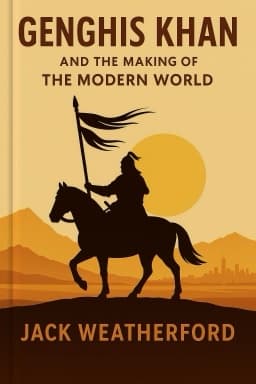
In the 20th century, Asian intellectuals, especially in Mongolia, reclaimed Genghis Khan as a symbol of national pride, unity, and resilience. Monuments and festivals celebrate his legacy, and the Spirit Banner remains a potent cultural symbol linking past and present.
The Mystery of the Tomb
Genghis Khan’s burial site remains undiscovered, fueling legends and inspiring scholarly and popular quests. This mystery enhances his mythic status and cultural significance.
Today, the Mongol legacy is a vibrant part of global heritage, reminding us that history evolves with the stories we choose to tell.
For more on the evolving Mongol legacy, see cultural essays at the Metropolitan Museum and historical analyses at Diplomacy.edu. 1 2
Want to explore more insights from this book?
Read the full book summary