
The Gut-Brain Revolution: Why Your Microbiome Holds the Key to Happiness
How nurturing your gut can transform your mind and emotions.

Meet Your Inner Ecosystem
Your gut is home to trillions of bacteria, fungi, and other microbes—collectively called the microbiome. Far from just digesting food, these tiny organisms play a starring role in your mental and emotional health. They produce neurotransmitters like serotonin and GABA, modulate inflammation, and send messages to your brain via the vagus nerve. 3
How Food Shapes Your Microbiome
What you eat feeds not just you, but your microbes. Prebiotic fibers from vegetables, beans, and whole grains help beneficial bacteria thrive, while fermented foods like yogurt and sauerkraut introduce new species. Processed foods, on the other hand, starve your microbiome and allow harmful bacteria to take over, increasing your risk of anxiety, depression, and even cognitive decline. 2
The Science of the Gut-Brain Axis
Recent studies show that changes in gut bacteria can directly impact mood and behavior. For example, people with a diverse, healthy microbiome are less likely to suffer from depression and more resilient to stress. Conversely, antibiotics, stress, and poor diet can disrupt this balance, leading to both digestive and mental health issues.
Simple Steps to a Happier Gut—and Mind
- Eat a variety of fiber-rich vegetables daily.
- Include fermented foods like kimchi, kefir, or miso.
- Avoid unnecessary antibiotics and manage stress with mindfulness.
- Limit processed foods and added sugars.
Real-Life Transformations
Countless people have experienced improved mood, clearer thinking, and even relief from chronic conditions after focusing on gut health. The research is clear: your microbiome is a powerful ally in your quest for happiness and mental clarity. 4
Conclusion
By nurturing your inner ecosystem, you can transform not only your digestion but your entire outlook on life. The gut-brain revolution is here—and it starts with your next meal.
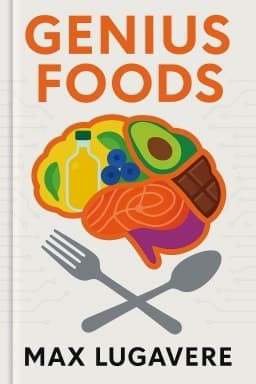
Want to explore more insights from this book?
Read the full book summary