
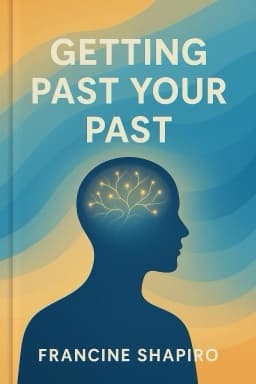
From Trauma to Triumph: The Science and Stories Behind EMDR Healing
Explore the fascinating science and inspiring real-life transformations powered by EMDR therapy.

Trauma is often described as a wound of the soul, but it is also a wound of the brain. When traumatic events overwhelm the brain’s natural processing, memories become fragmented and emotionally charged, leading to persistent distress. EMDR therapy leverages the brain’s remarkable capacity for change, known as neuroplasticity, to restore balance and foster healing.
Scientific research reveals that during normal functioning, the brain integrates new emotional experiences with existing memories, reducing their intensity. This process often occurs during REM sleep, where dreaming helps consolidate learning and emotional regulation. However, trauma disrupts this system, causing memories to 'freeze' in isolation with their original emotional charge intact.
EMDR therapy’s bilateral stimulation—eye movements, hand tapping, or auditory tones—reactivates the brain’s adaptive information processing system. This stimulation facilitates the integration of traumatic memories, allowing clients to reprocess distressing events without reliving the pain. The structured eight-phase approach ensures safety and thoroughness, starting from history-taking and preparation to reevaluation and future planning.
Real-life stories bring this science to life. A combat veteran, once plagued by debilitating flashbacks, found peace after a handful of EMDR sessions. A woman with lifelong fear of flying overcame her phobia by processing the childhood memories underpinning her anxiety. These examples highlight EMDR’s rapid and profound impact.
Complementing therapy are self-help tools like the Butterfly Hug and Safe Place imagery, which empower individuals to manage distress and build resilience. These techniques engage bilateral brain activity and evoke calming emotional states, preparing the mind for deeper healing.
Healing trauma also transforms relationships and communities. Secure attachments replace fearful patterns, and empathy replaces prejudice. This ripple effect underscores the societal importance of trauma-informed care.
EMDR therapy offers more than symptom relief; it offers a path from trauma to triumph, illuminating the way toward a hopeful, empowered future.
1 , 2 , 3
Want to explore more insights from this book?
Read the full book summary