
Unlock the Secret to Winning Every Negotiation: The Proven Method That Changes Everything
Discover the groundbreaking approach that transforms conflict into collaboration and empowers you to negotiate successfully every time.

Negotiation is often misunderstood as a zero-sum game where one party's gain is another's loss. This outdated view leads to positional bargaining, where each side stakes out a fixed demand and defends it fiercely. Unfortunately, this approach frequently results in deadlocks, wasted time, and damaged relationships.
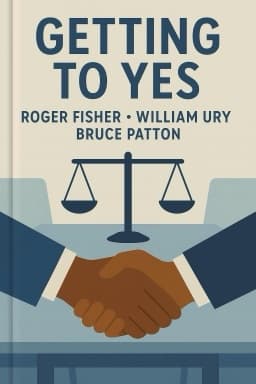
Roger Fisher and William Ury's seminal work, 'Getting to Yes,' introduces a transformative approach called principled negotiation. This method emphasizes four fundamental principles: separate the people from the problem, focus on interests not positions, invent options for mutual gain, and insist on objective criteria. These principles collectively shift negotiation from adversarial combat to collaborative problem-solving.
Separating people from the problem acknowledges that negotiators are human beings with emotions, perceptions, and communication challenges. By managing these human factors with empathy and active listening, negotiators prevent personal conflicts from obstructing the substantive issues. For example, in a labor dispute, recognizing the fears and frustrations of both management and workers can defuse tension and open pathways to agreement.
Focusing on interests rather than positions reveals the real motivations behind demands. Positions are what people say they want; interests explain why they want it. By uncovering shared or compatible interests, negotiators can craft creative solutions that satisfy everyone. A classic illustration involves neighbors disputing over a fence line—when they reveal their interests (privacy, sunlight, security), they find solutions beyond simply splitting the property line.
Inventing options for mutual gain encourages brainstorming a wide range of possibilities before settling on agreements. Separating idea generation from evaluation fosters creativity and avoids premature dismissal of innovative solutions. In business negotiations, this might mean exploring alternative payment terms, joint ventures, or phased deliveries that benefit both parties.
Insisting on objective criteria grounds negotiations in fairness and reason. Using standards like market value, legal precedents, or expert opinions prevents arbitrary decisions and reduces pressure. For instance, salary negotiations anchored to industry benchmarks ensure equitable outcomes and maintain trust.
Dealing with difficult people requires emotional intelligence and communication skills. By separating personalities from problems and acknowledging emotions, negotiators can defuse hostility and maintain productive dialogue. This approach is vital when negotiating with hard bargainers or adversaries, including in high-stakes international diplomacy.
Preparation and planning are the foundation of negotiation power. Understanding your BATNA—the best alternative if negotiations fail—strengthens your position and confidence. Thorough research on interests, options, and standards helps anticipate challenges and craft effective strategies.
Moving from options to commitments involves gradual, tentative agreements that build momentum while maintaining flexibility. Framework agreements outline key issues and guide negotiations toward comprehensive deals. Final generous gestures often seal agreements and foster goodwill.
Finally, negotiation power comes from multiple sources: alternatives, relationships, communication skills, creativity, and fairness. Optimism enhances success by encouraging aspiration and persistence. Ethical use of power leads to wise, efficient, and amicable agreements.
Mastering these principles transforms negotiation from a battleground into a collaborative art, enabling you to resolve conflicts and achieve lasting, mutually beneficial agreements. Whether negotiating salaries, contracts, or personal disputes, these insights empower you to 'get to yes' every time.
Want to explore more insights from this book?
Read the full book summary