
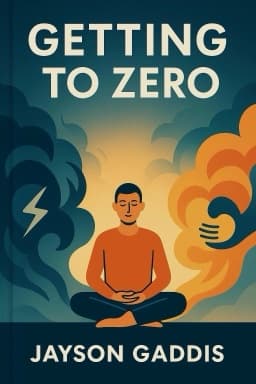
Why Avoiding Conflict is Killing Your Relationships (And How 'Getting to Zero' Can Save Them)
The surprising truth about why running from conflict harms you and how to transform it into connection.

It’s tempting to think that if we just avoid conflict, our relationships will be peaceful and happy. But what if avoidance is actually the silent killer of connection? In 'Getting to Zero,' Jayson Gaddis challenges this misconception and shows how running from conflict only deepens wounds and fosters disconnection.
At the core of this dynamic is the scared animal brain—the part of us wired for survival that reacts with fight, flight, or freeze. Avoidance is the flight response, a strategy developed early in life when expressing needs or emotions felt unsafe. But in adulthood, this strategy often backfires, creating emotional distance and unresolved tension.
The book reveals how our early attachment experiences teach us to either seek safety in connection or protect ourselves through disconnection. Avoidance is one of the Four Disconnectors, alongside posture, collapse, and seek, each representing a way we try to manage relational stress.
Moreover, the inner conflict between the True Self and Strategic Self plays a crucial role in avoidance. The Strategic Self may convince us to hide feelings or withdraw to keep the peace, but this suppresses the True Self’s longing for authentic connection.
Mindfulness tools like the NESTR meditation help us become aware of these patterns and regulate our emotional triggers. The trigger scale offers a way to monitor when avoidance is taking hold, so we can choose to stay engaged instead.
Effective communication methods, such as LUFU and SHORE, empower us to express ourselves honestly and listen with empathy, breaking the cycle of avoidance. The book also emphasizes the importance of face-to-face dialogue over text to preserve nuance and prevent misunderstandings.
Finally, creating clear agreements about how to handle conflict ensures both partners feel safe and respected, reducing the impulse to avoid. These agreements require courage and ongoing effort but pay dividends in trust and intimacy.
Becoming a relational leader means embracing conflict as a path to growth rather than a threat to avoid. By shifting from victimhood to authorship, you reclaim your power to shape healthier, more fulfilling relationships.
Don’t let fear of conflict rob you of connection. Learn to get to zero and discover the freedom and joy of authentic intimacy.
Want to explore more insights from this book?
Read the full book summary