
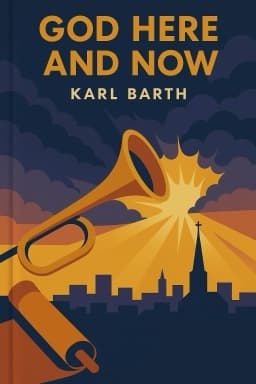
Unlocking the Power of God’s Word: How Karl Barth’s Theology Transforms Your Faith
Explore the unmatched authority and power of God’s Word in Karl Barth’s theology and its impact on your spiritual journey.

For Karl Barth, the Bible is not just a sacred text but the single normative form of the Word of God for the Church. This means the Bible uniquely witnesses to Jesus Christ and serves as the foundation for all Christian faith and life. Barth’s theology insists that the authority of Scripture is spiritual, exercised through the Holy Spirit within the Church community.
This spiritual authority is not legalistic or coercive but invites obedience and renewal. The Bible summons believers into a living confrontation with God, shaping worship, teaching, governance, and mission. Barth warns against subordinating Scripture to tradition, human authority, or cultural trends, as doing so risks losing the Church’s true foundation.
Barth’s approach to biblical exposition emphasizes faithful interpretation that respects the historical and theological context of Scripture. The expositor stands in the place of the Church, hearing the Word afresh and applying it to contemporary life. This ensures that the Word remains living and effective, continually renewing the Church and individual believers.
Understanding the Bible as the living Word transforms the way Christians engage with faith. It demands a response of trust and obedience, aligning the believer with God’s sovereign will. This dynamic relationship between God’s Word and human response lies at the heart of Barth’s theology and invites believers into a transformative journey.
Ultimately, Barth’s theology of the Word calls Christians to live boldly under the authority of Scripture, empowered by the Holy Spirit. It challenges believers to embrace the Bible not as a static relic but as a living source of grace, truth, and transformation in the here and now.
For more detailed explorations of Barth’s doctrine of Scripture and its implications, see scholarly articles from The Gospel Coalition and Tyndale Bulletin 1 3 .
Want to explore more insights from this book?
Read the full book summary