
5 Shocking Ways Religion Shapes Our World—And Why Hitchens Says It’s Time to Rethink
A Deep Dive into the Arguments and Real-World Impacts of 'God Is Not Great'

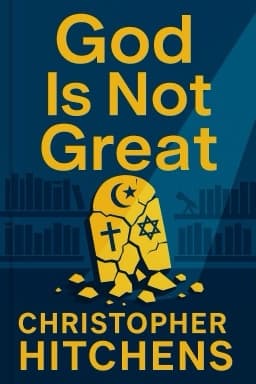
Christopher Hitchens’ 'God Is Not Great' is not just a polemic; it’s a sweeping journey through the history, psychology, and cultural impact of religion. Hitchens begins by unpacking the origins of belief, tracing how early humans, faced with the mysteries of nature and mortality, created gods in their own image. He argues that while these myths once offered comfort and cohesion, they have since become sources of division and harm.
One of the book’s most controversial claims is that religion has not just failed to solve violence—it has been a primary cause of it. Hitchens details the bloody histories of sectarian wars, from the Crusades to modern-day conflicts in Belfast and Baghdad. He shows how religious identity can become a fault line, turning neighbors into enemies and fueling cycles of retribution. The examples are chilling: cities divided by faith, families torn apart, and laws that punish dissenters with death.
But Hitchens doesn’t stop at violence. He exposes how religious dogma has hindered scientific progress and endangered public health. From the persecution of Galileo to the modern resistance to vaccines and sexual health education, Hitchens argues that faith-based thinking often puts lives at risk. He cites the resurgence of polio in Nigeria, fueled by clerical opposition to vaccination, and the spread of AIDS in Africa, worsened by misinformation about condoms. These are not distant tragedies—they are unfolding now, affecting millions.
Central to Hitchens' argument is the idea that morality exists independently of religion. He points to societies with high rates of secularism that enjoy better health, education, and happiness outcomes, and highlights the universal nature of empathy and justice. He challenges the notion that we need gods to be good, showing that compassion, cooperation, and ethical progress flourish wherever people are free to question and grow.
Finally, Hitchens offers hope: a vision of meaning and wonder rooted in reason, art, science, and human connection. He shows how secular communities create rituals, support systems, and shared purpose without supernatural beliefs. The future, he argues, belongs to those who embrace knowledge, curiosity, and the freedom to think for themselves.
Hitchens’ critique is as relevant as ever, sparking debate and reflection worldwide. Whether you agree with him or not, his call to rethink the role of religion in modern life is impossible to ignore. For those seeking to understand both the dangers and the enduring allure of faith, 'God Is Not Great' remains an essential, challenging read.
Want to explore more insights from this book?
Read the full book summary