
Can We Be Good Without God? Hitchens and the Case for Secular Morality
Exploring How Morality Evolves Beyond Ancient Dogma

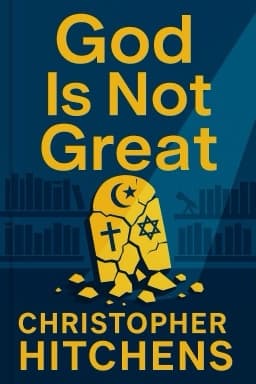
Few questions spark more debate than whether morality requires faith. In 'God Is Not Great,' Christopher Hitchens dismantles the notion that ethics are the exclusive domain of religion. He points to ancient philosophers who pondered virtue and justice long before the rise of organized faith, and he documents how moral progress often comes from challenging, not following, religious dogma.
Hitchens provides powerful examples: the abolition of slavery, the fight for women’s and LGBTQ+ rights, and the expansion of democracy were all opposed by religious authorities at various times. Yet, they succeeded because people appealed to reason, empathy, and universal human rights. He also cites studies showing that atheists and agnostics are just as likely to act ethically and give to charity as believers.
Morality, Hitchens argues, is not fixed by ancient texts but evolves as society learns and grows. Practices once justified by scripture are now condemned, showing that ethical progress is possible—and necessary—outside religious frameworks. He urges us to trust in our shared humanity, guided by compassion and critical thinking, to build a more just and inclusive world.
The evidence is clear: we can be good without gods, and perhaps even better for it.
Want to explore more insights from this book?
Read the full book summary