
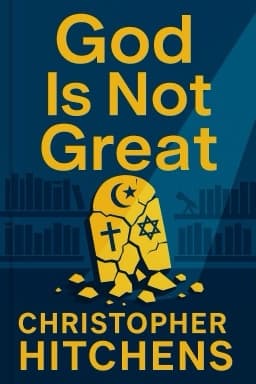
The Secrets Sacred Texts Won’t Tell You: What Hitchens Discovered Inside the Bible, Quran, and More
Unveiling the Contradictions and Human Origins of the World’s Holiest Books

Open the world’s most revered books, and you’ll find a tapestry of myth, law, poetry, and contradiction. Hitchens invites us to read these texts not as unquestionable revelations, but as the products of their time—shaped by human hands, minds, and politics. He meticulously documents how the Bible, Quran, and other scriptures contain conflicting stories, outdated moral codes, and historical inaccuracies.
For example, Hitchens highlights the many lost gospels and alternative teachings that were excluded from the official canon, sometimes violently suppressed. The process of canonization, he argues, was never purely spiritual but deeply political, with councils debating which stories to include and which to erase forever. This selective editing has led to a patchwork of texts that reflect the prejudices and limitations of their authors.
Perhaps most striking is the way these scriptures justify actions now considered abhorrent—slavery, violence, discrimination—while also containing passages of beauty and compassion. The contradictions are not trivial; they reveal the human struggle to understand morality in a changing world. Hitchens encourages readers to appreciate the literary and historical richness of these books while recognizing that their authority should be questioned, not assumed.
By unveiling the human origins of sacred texts, Hitchens empowers us to seek ethical guidance from reason, empathy, and shared experience rather than ancient dogma. This critical approach, he argues, is essential for building a more just and compassionate world—one that honors the past without being bound by it.
Want to explore more insights from this book?
Read the full book summary