
Why Science, Not Religion, Holds the Key to Human Progress
How Rational Inquiry Has Outpaced Faith in Solving Humanity’s Greatest Challenges

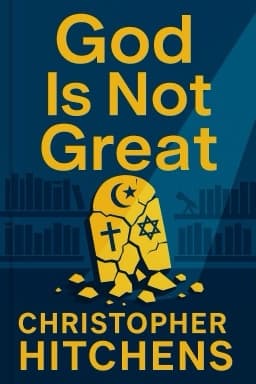
In 'God Is Not Great,' Christopher Hitchens draws a stark contrast between the achievements of science and the stagnation often imposed by religious dogma. He recounts the persecution of early scientists, such as Galileo, whose discoveries threatened the authority of the church. Hitchens connects these historical episodes to modern crises, like the resurgence of polio in Nigeria and the spread of AIDS in Africa, both exacerbated by religious opposition to vaccines and safe sex education.
Science, Hitchens argues, is fundamentally different from faith because it welcomes doubt, thrives on revision, and seeks truth through evidence. He celebrates the self-correcting nature of science, where old theories are discarded in favor of better explanations. This openness, he contends, is the engine of progress—leading to longer lives, better health, and greater prosperity.
Hitchens also points to the empirical success of secular societies, which consistently report higher levels of well-being, education, and innovation. He argues that the freedom to question, debate, and experiment is essential for solving humanity’s greatest challenges. In this vision, science is not just a body of knowledge but a way of living—one that honors curiosity, embraces uncertainty, and values every human life.
For Hitchens, the choice is clear: our best hope lies in fostering a culture that prizes reason and evidence over tradition and superstition. Only then can we build a future worthy of our potential.
Want to explore more insights from this book?
Read the full book summary