
The Flywheel Effect Explained: Why Consistency Beats Quick Wins Every Time
A deep dive into the flywheel metaphor and how relentless effort creates unstoppable momentum in business and life.

Understanding the Flywheel Metaphor
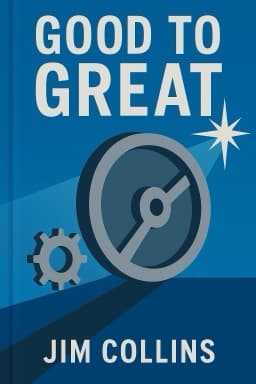
Imagine pushing a massive, heavy flywheel. At first, it barely moves despite your efforts. But with each push, the wheel gains speed, momentum builds, and eventually, it spins effortlessly, powering the entire machine.
The Slow Build: Why Patience Matters
Great companies rarely experience overnight success. Instead, they endure years of hard work, discipline, and incremental progress. One company’s stock multiplied hundreds of times, but only after decades of steady effort. The flywheel turns slowly at first, but persistence pays off.
The Doom Loop: The Danger of Quick Fixes
In contrast, many companies fall into the doom loop—reacting to problems with drastic, short-lived fixes that disrupt momentum. This cycle leads to inconsistency, confusion, and eventual decline.
Building Your Flywheel: Practical Steps
To build momentum, companies focus on disciplined people, confronting brutal facts, maintaining a Hedgehog Concept, and fostering a culture of discipline. Each push on the flywheel represents these consistent actions. Leaders must resist the temptation of shortcuts and instead commit to the long haul.
Applying the Flywheel Beyond Business
The flywheel concept applies not just to companies but to personal growth, relationships, and any endeavor requiring sustained effort. Small, consistent actions compound into extraordinary results over time.
Conclusion: Embrace the Journey
The flywheel teaches us that greatness is a marathon, not a sprint. By embracing patience, discipline, and relentless effort, you create unstoppable momentum that leads to breakthrough success. Push your flywheel daily and watch your world transform.
Insights drawn from 'Good to Great' and expert analyses from Monkhouse and Company, The Leadership Sphere, and LinkedIn thought leaders. 1 3 4
Want to explore more insights from this book?
Read the full book summary