
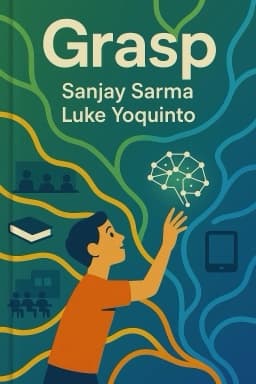
The Power of Curiosity: How Wonder Supercharges Your Memory
Why Asking Questions Makes You Smarter—And Happier

Have you ever noticed how you remember the answer to a riddle far longer than a fact you memorized for a test? That’s the magic of curiosity at work. Recent studies in neuroscience have revealed that when we’re curious, our brains enter a heightened state of readiness. Dopamine, the same chemical that makes us crave delicious food or exciting experiences, is released in anticipation of learning something new. This not only makes the act of discovery pleasurable but also strengthens the memory of what we learn. 4
Curiosity is triggered by the information gap—the tantalizing sense that there’s something just out of reach, waiting to be found. When a teacher asks an open-ended question, or when you encounter a puzzle you can almost solve, your brain lights up with activity. The desire to close that gap propels you to seek answers, and in doing so, you absorb not just the solution, but everything around it: the context, the emotions, the environment.
Classrooms that harness curiosity see remarkable results. Instead of rote memorization, students are invited to explore, hypothesize, and experiment. This makes learning feel like play, and the joy of discovery becomes its own reward. The same principles apply in the workplace and at home—when we approach problems with a curious mindset, we’re more creative, resilient, and adaptable. 2
Curiosity also has a social dimension. When we’re curious about others—about their stories, cultures, and perspectives—we build empathy and understanding. This is the foundation for inclusive, collaborative communities where everyone’s voice matters.
So, the next time you find yourself wondering about something, don’t dismiss it. Follow the thread, ask more questions, and let your curiosity lead the way. You’ll be surprised at how much you remember—and how much joy you find in the journey.
Want to explore more insights from this book?
Read the full book summary