
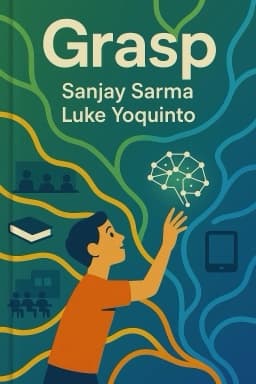
The Technology Trap: Why Edtech Alone Won’t Save Our Schools
Lessons from History—and the Science That Shows What Really Works

Every decade brings a new promise: this gadget, this platform, this app will finally fix education. From the first teaching machines to online mega-courses, the story repeats. Yet, time and again, the results fall short. Why?
Research tells us that technology, when used in isolation, rarely transforms learning. The most effective classrooms blend digital tools with active, evidence-based teaching and strong relationships. Apps that use spaced repetition and retrieval practice can boost memory, but only when integrated with meaningful feedback and human support. 1
What really matters is inclusive design—making sure every student, regardless of ability or background, can access and benefit from lessons. The future of education lies not in replacing teachers, but in empowering them with the best tools and insights science has to offer.
So, as you explore new technologies, remember: the best learning happens at the intersection of human connection, curiosity, and well-designed digital support.
Want to explore more insights from this book?
Read the full book summary