
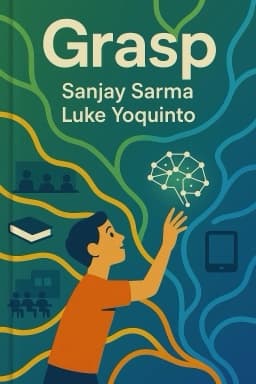
Unlocking the Brain’s Hidden Garden: The Science of Lifelong Learning
How Your Brain Can Keep Growing—At Any Age

For centuries, we believed that childhood was the only time our brains could truly change. But modern neuroscience has shattered this myth: your brain is a garden, capable of sprouting new connections, skills, and ideas at every stage of life. This revelation is not just academic—it’s a call to action for anyone who wants to keep growing, learning, and thriving, no matter their age.
At the heart of this transformation is neuroplasticity—the brain’s remarkable ability to rewire itself in response to experience. Scientists have shown that even in old age, exposure to new challenges, environments, and relationships can spark the growth of new neural pathways. This means that learning is never finished; it is a lifelong journey, open to all who seek it.
But what fuels this growth? The answer lies in curiosity. When we encounter something new or puzzling, our brains release dopamine, a chemical that not only makes us feel good but also enhances our ability to remember and integrate new knowledge. This is why the most effective learning environments are those that spark wonder—whether it’s a classroom filled with open-ended questions, a workplace that encourages exploration, or a library that invites you to wander among the stacks. 2
Technology, too, is reshaping the landscape. While critics warn of screen time and distraction, research shows that when used wisely, digital tools can make learning more accessible, engaging, and personalized. Apps that harness the power of spaced repetition help users master languages and facts; online courses connect learners across continents; and virtual reality can immerse us in worlds we could never otherwise visit. The key is to blend technology with human connection and evidence-based practices. 1
Communities are the soil in which lifelong learning flourishes. From after-school programs to workplace training, from intergenerational mentorship to online forums, the places where we gather and share knowledge are as important as the content itself. The future of learning is not limited to classrooms—it’s everywhere, from homes to libraries, from city parks to digital spaces. 3
Inclusion is essential. Too often, traditional systems have left behind those who learn differently, those who start with less, or those who fall through the cracks. But when we design learning experiences that are flexible, supportive, and responsive to individual needs, everyone benefits. The world’s greatest lost resource is not oil or gold, but the untapped potential of human minds.
So, whether you’re a student, a teacher, a parent, or a lifelong explorer, remember: your brain is always ready to grow. Plant a seed of curiosity today, and watch your garden bloom for years to come.
Want to explore more insights from this book?
Read the full book summary