
The Hidden Dangers of Too Many Rules: How to Build a Trust-First Team
Why less control leads to more accountability—and how you can make it work.

Why less control leads to more accountability—and how you can make it work.
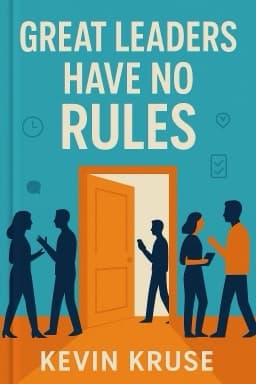
It’s tempting to think that more rules make for a safer, more effective workplace. But as both Kevin Kruse and modern organizational psychologists point out, rules often backfire. They can signal distrust, stifle initiative, and create a culture where employees are more focused on avoiding mistakes than on achieving excellence. In fact, research shows that rule-heavy environments suffer from lower morale, higher turnover, and less innovation.
Netflix famously slashed its employee handbook to a handful of guidelines, betting on the judgment and integrity of its people. The result? Not only did costs drop, but employees reported feeling more responsible and motivated. Other companies have followed suit, finding that when you trust your team, the vast majority will rise to the occasion.
But how do you transition from a rule-based to a trust-based culture? Start by identifying which policies are truly necessary, and which are relics of fear. Replace as many as possible with clear, shared values and open communication. Train leaders to coach, not police. And when mistakes happen, use them as learning opportunities, not excuses for more rules.
Teams built on trust are more agile, more creative, and more resilient. They adapt quickly, support each other, and outperform competitors weighed down by bureaucracy. If you want to build a high-performing team, it’s time to put trust at the center of your culture.
Want to explore more insights from this book?
Read the full book summary