
Why Great Leaders Break the Rules: 7 Contrarian Truths About Leadership
Discover why breaking the rulebook might be the ultimate leadership hack.

Discover why breaking the rulebook might be the ultimate leadership hack.
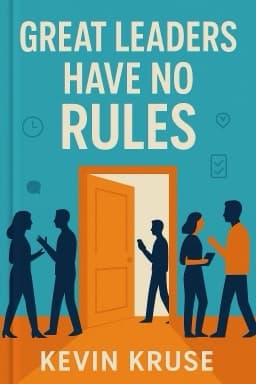
Most leadership books teach us to add more structure, more policies, and more rules. But what if the secret to great leadership is to do the opposite? Kevin Kruse’s Great Leaders Have No Rules and recent studies suggest that the best leaders are those who dare to break free from convention, trust their people, and lead with heart.
1. Rules Can Kill Ownership and Innovation
Imagine a workplace where every action is governed by a rule. Instead of empowering employees, this environment suffocates initiative. Kruse highlights companies like Netflix, which famously reduced their entire expense policy to five words: 'Act in Netflix’s best interests.' This radical trust not only cut costs but also fostered a culture where people felt accountable and empowered to make smart decisions. When you replace rules with trust, you create space for creativity and ownership to flourish.
2. The Hidden Cost of Distraction
We live in an age of chronic distraction, where the average office worker is interrupted over 50 times a day. Research shows that even the mere presence of a smartphone can reduce cognitive capacity, making deep work nearly impossible. High-performing leaders model focus by silencing their phones, blocking time for deep work, and encouraging their teams to do the same. The result? Fewer errors, more creativity, and a calmer, more productive workplace.
3. Communication Is a Rhythm, Not a Reaction
Open door policies sound good in theory but often fail in practice. Instead, the best leaders schedule regular one-on-ones and team huddles, creating a predictable rhythm of communication that builds trust and psychological safety. Anonymous feedback tools, like index cards or digital surveys, help surface hidden issues and foster candor, making teams more resilient and engaged.
4. Fairness Means Equity, Not Sameness
True fairness isn’t about treating everyone identically. It’s about recognizing individual strengths and providing support based on needs and merit. Leaders who invest time in high performers or those with potential help raise the bar for everyone. Public recognition, personal notes, and tailored opportunities create a culture of aspiration and belonging.
5. Mastering Time and Energy
To-do lists are notorious for causing stress when tasks remain unfinished. High performers use their calendars to block time for what matters most, aligning demanding work with their peak energy periods. This intentional approach reduces anxiety, boosts productivity, and models self-care for the entire team.
6. Lead with Heart: Emotional Intelligence Matters
Compassion, empathy, and genuine care aren’t just 'soft skills'—they’re essential for retention and engagement. Leaders who remember birthdays, notice struggles, and offer support create environments where people feel safe and valued. Psychological safety is the foundation of innovation and loyalty.
7. The Courage of Candor and Lasting Legacy
Honest, transparent communication is the hallmark of enduring leadership. Teams led by transparent, candid leaders outperform peers in innovation and results. Trust is built not by enforcing rules, but by modeling vulnerability, sharing openly, and inviting feedback. The legacy of a leader is measured by the trust and growth they inspire.
In a world obsessed with rules and policies, the most effective leaders are those who break free, trust deeply, and lead with courage and care. Are you ready to rewrite your own leadership story?
Want to explore more insights from this book?
Read the full book summary