
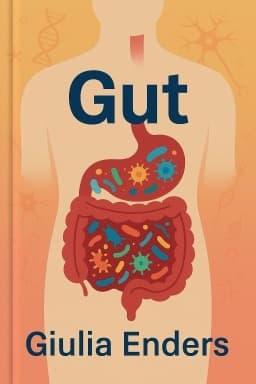
Eat Right, Feel Bright: How Your Diet Shapes Your Gut and Your Life
Unlock the power of nutrition to nurture your gut microbiome and boost overall wellbeing.

Nutrition is the foundation of gut health. The digestion of carbohydrates, fats, and proteins follows distinct pathways that influence how nutrients are absorbed and utilized. Carbohydrates break down into simple sugars absorbed directly into the bloodstream, while fats take a unique detour through the lymphatic system, bypassing the liver initially. This route impacts how fats influence metabolism and cardiovascular health.
Proteins require careful attention, especially for vegetarians and vegans. Many plant proteins lack one or more essential amino acids, making them incomplete. Traditional food pairings like rice and beans or pita and hummus complement these deficiencies, ensuring complete protein intake and balanced nutrition.
Dietary fiber acts as a prebiotic, feeding beneficial gut bacteria and promoting a healthy microbiome. Consuming a variety of fiber-rich fruits, vegetables, and whole grains supports microbial diversity and production of short-chain fatty acids, which nourish the gut lining and modulate inflammation.
Healthy fats, such as those in extra virgin olive oil and nuts, support anti-inflammatory bacteria, while excessive saturated fats may encourage harmful species. Balancing fat quality is therefore crucial for gut and systemic health.
Incorporate fermented foods like yogurt, kimchi, and sauerkraut to introduce beneficial probiotics. Stay hydrated and avoid excessive processed foods to maintain gut integrity.
Emerging research continues to reveal how personalized nutrition can optimize gut health and prevent disease. Staying informed and making conscious food choices is a powerful step toward lifelong wellness.
Explore more in-depth studies and expert advice on gut-focused nutrition from leading health organizations and scientific publications [[0]](#__0) [[2]](#__2) [[3]](#__3).
Want to explore more insights from this book?
Read the full book summary