
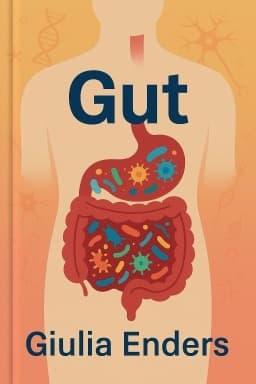
Unlocking the Secrets of Your Second Brain: Why Your Gut Holds the Key to Health
Discover how your gut’s hidden powers can transform your health and wellbeing.

Imagine an organ inside your body so powerful that it can operate independently of your brain, influence your mood, and determine your immune health. This is not science fiction but the reality of your gut—often called the second brain. The enteric nervous system embedded in your gut walls contains hundreds of millions of neurons, coordinating the complex process of digestion without conscious thought. This autonomous system governs the rhythm of peristalsis, controls secretions, and manages reflexes like vomiting and defecation.
But the gut’s magic doesn’t stop there. It houses a bustling metropolis of trillions of microbes—bacteria, fungi, viruses—that collectively weigh up to 2 kilograms. This microbiome is essential for breaking down food fibers, synthesizing vitamins, training the immune system, and even producing neurotransmitters that influence our emotions and cognition. Studies reveal that gut bacteria diversity correlates with mental health, weight management, and chronic disease risk, highlighting the gut’s far-reaching impact.
Maintaining this delicate ecosystem requires mindful eating: fiber-rich foods feed beneficial bacteria, healthy fats support anti-inflammatory microbes, and balanced protein sources ensure nutrient completeness. Beyond diet, posture during bowel movements plays a crucial role. Squatting or elevating feet straightens the rectum, easing defecation and reducing strain, preventing common ailments like hemorrhoids.
Modern therapies such as biofeedback offer hope for those with gut motility issues, retraining muscles to restore harmony. Recognizing symptoms like reflux or constipation as gut distress signals empowers proactive care. The gut-brain axis, a communication highway via the vagus nerve, means that nurturing your gut also nurtures your mental wellbeing.
In sum, your gut is a complex, autonomous, and vital organ deserving of attention and care. By understanding and supporting this second brain, you unlock a pathway to lifelong health and happiness.
For the latest breakthroughs in gut microbiome research, ongoing studies reveal new connections between gut bacteria and diseases like diabetes and depression, emphasizing personalized approaches to gut health. The future of medicine may well lie in decoding this inner universe.
References and further reading include recent advances from leading institutions and journals dedicated to microbiome research and gut health [[0]](#__0) [[1]](#__1) [[2]](#__2) [[3]](#__3).
Want to explore more insights from this book?
Read the full book summary