
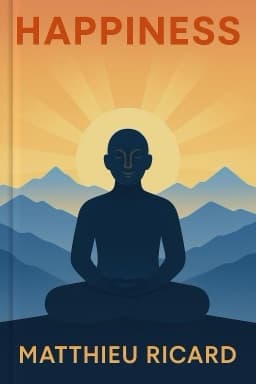
Unlock the Secret to Lasting Happiness: Why Pleasure Isn’t Enough
Discover the profound difference between fleeting pleasure and enduring happiness and learn how to cultivate the latter in your life.

In a world obsessed with instant gratification, many mistake happiness for pleasure — a fleeting sensation tied to external stimuli. But what if true happiness is something much deeper, more stable, and accessible to everyone?
Consider the difference between savoring a delicious meal and waking up each day with a profound sense of well-being. The former delights the senses but fades quickly; the latter is the foundation of a joyful life. This distinction is crucial. Pleasure is sensory and ephemeral, while happiness is emotional and enduring.
Scientific research supports this view. Studies show that people with similar external conditions can have vastly different happiness levels depending on their mindset and mental habits. This means happiness is less about what happens to us and more about how we relate to what happens.
How can we cultivate this lasting happiness? It requires effort, patience, and mental training. Just as an athlete trains muscles over time, so too must we train the mind through practices like mindfulness, reflection, and compassion. This training rewires neural pathways, fostering resilience and equanimity.
Imagine a person walking through a peaceful mountain meadow at sunrise, feeling a calm joy that is not dependent on the weather or surroundings but arises from within. This inner joy is a skill, a cultivated state that grows stronger with practice.
By understanding that happiness is constructed rather than accidental, we empower ourselves to take charge of our well-being. This journey is not about denying life’s challenges but developing the capacity to face them with grace and balance. It invites us to look inward, nurture positive qualities, and transform our relationship with ourselves and the world.
As you reflect on this, prepare to delve deeper into the nature of suffering — the inevitable companion of life — and learn how transforming our relationship with pain can open the door to genuine happiness.
Want to explore more insights from this book?
Read the full book summary