
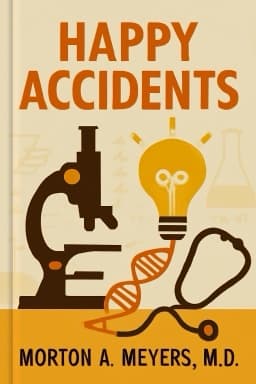
Expect the Unexpected: How Embracing Serendipity Can Shape the Future of Medicine
Why the next big medical breakthroughs depend on openness to chance and creativity.

The history of medicine teaches us that many of the greatest breakthroughs arise from unexpected observations and creative thinking. Yet, the current scientific ecosystem sometimes struggles to nurture these happy accidents.
Peer review, while essential for quality, can inadvertently suppress unconventional ideas. Funding agencies often favor predictable projects, leaving high-risk, high-reward research under-supported. To foster serendipity, the scientific community must embrace flexibility and openness.
Innovative approaches such as crowdsourcing invite diverse perspectives and democratize problem-solving, increasing the chances of discovering the unexpected. Small, agile research teams working outside rigid hierarchies can rapidly test novel ideas and pivot based on emerging results.
Balancing rigor with creativity is key. Encouraging risk-taking, rewarding curiosity, and valuing interdisciplinary collaboration will accelerate medical innovation and improve patient care.
By expecting the unexpected and nurturing serendipity, we can unlock new truths and cures yet unknown, shaping a healthier future for all.
References:
- PMC article on serendipity in science 1
- New Humanist article on accidental discoveries 3
- Azol Life Sciences on serendipity 4
Want to explore more insights from this book?
Read the full book summary