
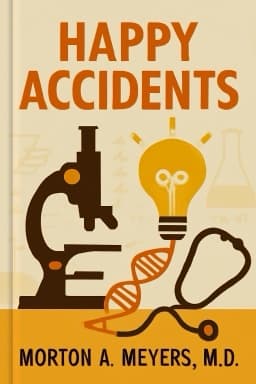
From Mold to Miracle: The Untold Story of Penicillin and the Antibiotic Revolution
How a forgotten petri dish changed the course of human health forever.

The story of penicillin is one of the most remarkable tales in medical history — a tale of chance, curiosity, and collaboration that saved millions of lives. It all began with a forgotten petri dish in a cluttered laboratory, where a rare mold contaminated bacterial cultures and created a clear zone free of bacteria.
This serendipitous event revealed a natural substance capable of killing harmful microbes. Prior to this, scientists had discovered lysozyme, an enzyme in tears and mucus that could dissolve bacteria, but its clinical potential was limited. Penicillin’s discovery, however, was a quantum leap forward.
Alexander Fleming’s keen observation and subsequent isolation of penicillin set the stage, but it took years and the efforts of many scientists to purify the compound and develop methods for mass production. The challenges were immense — penicillin was unstable and difficult to extract in sufficient quantities.
During World War II, the urgency of treating infected wounds spurred unprecedented cooperation between researchers, government agencies, and industry. Techniques such as deep fermentation allowed penicillin to be produced at scale, transforming it from a laboratory curiosity into a life-saving drug.
The antibiotic revolution that followed drastically reduced mortality from bacterial infections and ushered in a new era of medicine. Diseases once considered fatal became treatable, and surgical procedures became safer thanks to infection control.
Penicillin’s story exemplifies how serendipity combined with perseverance and innovation can change the world. It teaches us to value observation, to nurture curiosity, and to collaborate across disciplines to turn chance discoveries into miracles.
References:
- PMC article on serendipity in drug discovery 1
- Azol Life Sciences article on accidental scientific discoveries 4
- ScienceAlert's overview of accidental discoveries 2
Want to explore more insights from this book?
Read the full book summary