
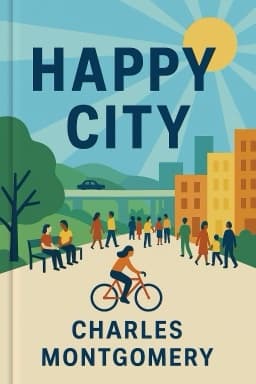
From Asphalt to Oasis: How Green Cities Heal Our Minds and Communities
Explore the transformative power of urban nature and how integrating green spaces revitalizes city life and well-being.

In the heart of many busy cities lies a quiet secret: green spaces that nurture our minds and communities.
The Science of Nature’s Healing
Exposure to nature lowers cortisol, the stress hormone, and improves mood and cognitive function. Children who play regularly in natural settings have better attention spans and fewer behavioral issues.
Green Spaces Reduce Crime and Build Trust
Neighborhoods with more trees and parks report significantly lower crime rates. Natural settings encourage social interaction and reduce aggression, creating safer communities.
Community Gardens and Social Capital
Community gardens serve as hubs for socializing, learning, and shared stewardship. They build trust and a sense of belonging among diverse residents.
Global Examples of Green Urbanism
From Singapore’s lush vertical gardens to New York’s High Line park, cities worldwide are pioneering innovative ways to integrate nature into urban fabric, enhancing livability and happiness.
Designing for Green Access
Urban planners emphasize equitable access to green spaces, ensuring all residents benefit regardless of income or location. Strategies include pocket parks, green roofs, and tree-lined streets.
Conclusion
Integrating nature into our cities is not a luxury but a necessity for mental health and community resilience. As we face urban growth and climate challenges, green cities offer a hopeful path toward happier, healthier futures.
Want to explore more insights from this book?
Read the full book summary