
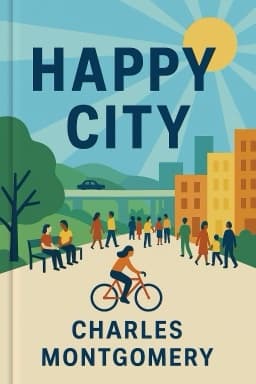
Unlocking Urban Joy: How Cities Secretly Shape Your Happiness
Discover the hidden forces in city planning that influence your mood, relationships, and health — and how a new movement is changing our urban lives.

Have you ever wondered why some cities feel vibrant and welcoming while others seem cold and isolating? The answer lies beneath the surface—in the way they are designed and organized.
The City as a Happiness Machine
For centuries, cities have been more than just collections of buildings; they are social organisms designed to foster human flourishing. Yet, modern urban sprawl and car-centric planning have eroded many of these benefits. Bogotá’s experiment in banning cars one day demonstrated a powerful truth: reclaiming streets for people can dramatically improve safety, air quality, and happiness.
The Neuroscience Behind Happy Cities
Happiness is not just a feeling; it has a biological basis. Brain scans reveal that happy individuals show increased activity in the left prefrontal cortex and lower stress hormone levels. The hormone oxytocin, released during social bonding, fosters trust and generosity.
Social Bonds and the Cost of Sprawl
Unfortunately, sprawling suburbs and car dependency have fractured social networks. Long commutes increase stress and reduce family time, contributing to loneliness and higher divorce rates. The average number of close confidants has declined, highlighting a social crisis linked to urban form.
Nature’s Role in Urban Happiness
Access to green spaces is essential for mental health. Parks reduce crime, improve mood, and support child development. Even views of trees can lower stress hormones. Cities that integrate nature into daily life create restorative environments that nurture resilience and joy.
Walkability and Mixed-Use Neighborhoods
Walkable neighborhoods encourage physical activity, reduce pollution, and foster spontaneous social encounters. Mixed-use development supports local economies and vibrant street life. Together, these elements create places where people feel free, safe, and connected.
Reclaiming Public Space
Community-led projects like painting intersections and creating pocket parks transform neighborhoods. These grassroots efforts build trust, reduce accidents, and improve mental health by providing welcoming social spaces.
Overcoming Barriers
Despite benefits, zoning laws and cultural resistance slow progress. Many fear increased density and change. Inclusive dialogue and participatory planning are key to overcoming these challenges and creating consensus.
Your Role in the Happy City Movement
Every individual can contribute to happier cities through choices like walking, biking, and supporting local initiatives. Grassroots activism empowers communities to reclaim their environment and build shared urban futures.
Conclusion
Our cities are not fixed—they are shaped by choices that can either isolate or unite us. By understanding and embracing the principles of happy city design, we can create urban environments that nurture health, joy, and social connection. The journey to a happier city begins with you.
Want to explore more insights from this book?
Read the full book summary