
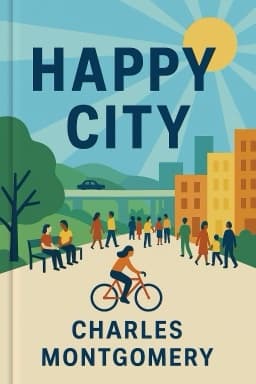
Why Your City Might Be Making You Miserable (And How to Fix It)
Explore the hidden ways your city’s layout could be draining your happiness and discover inspiring solutions for reclaiming joy in urban life.

Have you ever felt inexplicably drained by your daily commute or disconnected from your neighbors despite living in a bustling city?
The Hidden Costs of Car Dependency
Car-centric cities prioritize speed and convenience for vehicles but often neglect the human experience. Long commutes increase stress hormones, reduce family time, and elevate risks of divorce and loneliness.
Sprawl’s Social Isolation
Suburban sprawl separates homes from shops, schools, and workplaces, making walking or biking impractical. This physical distance reduces casual social encounters that build trust and community. The average number of close friends is declining, a troubling sign of social fragmentation.
Nature as a Remedy
Green spaces offer a powerful antidote to urban stress. Parks and trees reduce crime, improve mood, and support child development. Even brief exposure to nature can lower cortisol levels and restore attention.
Walkability and Mixed-Use Neighborhoods
Compact, mixed-use neighborhoods encourage physical activity and social interaction. They reduce pollution and foster vibrant local economies.
Reclaiming Streets and Public Spaces
Community-led projects like intersection painting and pocket parks create safer, more welcoming environments that encourage socializing and reduce stress.
Overcoming Resistance
Legal and cultural barriers often hinder change. Zoning laws separate uses rigidly, and many fear increased density. Open dialogue and participation can help overcome these challenges.
Empowering Individuals
Each of us can contribute by choosing active transportation, supporting local businesses, and engaging in community efforts. These actions collectively reshape urban life.
Conclusion
While cities can sometimes feel overwhelming and isolating, they hold immense potential for happiness and connection. By understanding and addressing the hidden causes of urban misery, we can reclaim joyful, healthy urban living for all.
Want to explore more insights from this book?
Read the full book summary