
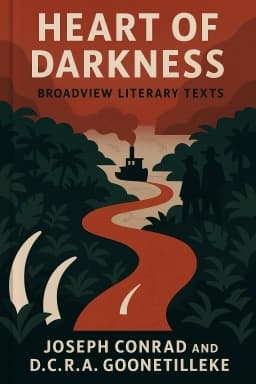
Beyond the Jungle: The Lasting Legacy and Relevance of ‘Heart of Darkness’ Today
Why Conrad’s exploration of darkness remains vital in understanding power and morality

More than a century after its publication, Joseph Conrad’s Heart of Darkness remains a touchstone in literary and cultural discourse. Its exploration of imperialism’s dark underbelly, moral ambiguity, and the shadows within human nature continues to resonate powerfully in today’s world.
The novella’s critique of imperialism has been foundational for postcolonial studies, inspiring scholars to examine how colonial legacies shape contemporary societies. It exposes the hypocrisy and violence masked by the rhetoric of civilization, revealing how power corrupts and dehumanizes both oppressors and oppressed.
Its narrative complexity—through layered storytelling, unreliable narration, and rich symbolism—has influenced countless writers and thinkers, encouraging readers to engage critically with texts and question received truths. The inversion of light and darkness symbolism challenges simplistic moral binaries, inviting reflection on the coexistence of good and evil within individuals and societies.
Moreover, Heart of Darkness prompts ongoing debates about race, identity, and the psychological effects of power and isolation. Its portrayal of characters like Kurtz and the nuanced depictions of Africans and women provoke critical examination of historical and contemporary social constructs.
In an era grappling with the legacies of colonialism and the complexities of global power dynamics, Conrad’s novella serves as a vital lens for understanding the shadows that linger beneath the surface of progress. Its enduring relevance lies in its unflinching exploration of the human condition and the moral questions that remain urgent today.
By revisiting this classic work, readers can gain insights not only into history and literature but into the ongoing challenges of confronting darkness within and without.
Sources: SparkNotes, Britannica, PoetryTranslation.org 1 2 4
Want to explore more insights from this book?
Read the full book summary