
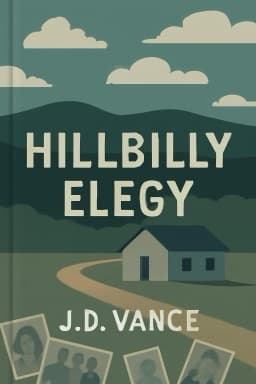
From Book to Blockbuster: How Hillbilly Elegy Became a Netflix Sensation
Behind the Scenes of the Memoir’s Journey from Bestseller to Hollywood Drama

When Netflix announced it was adapting J.D. Vance’s ‘Hillbilly Elegy’ into a feature film, expectations were sky-high—and so was the scrutiny. The memoir had already sparked national debate, and the movie’s release only intensified the conversation.
Directed by Ron Howard and starring Amy Adams as Bev and Glenn Close as Mamaw, the film set out to bring Vance’s story to life. The performances were widely praised, with Close earning an Academy Award nomination for her portrayal of the tough, loving grandmother. But the movie also faced criticism for its depiction of poverty, addiction, and family dysfunction.
Some viewers felt the film captured the emotional heart of the memoir, especially the complex relationships between Vance, his mother, and his grandmother. Others argued that Hollywood’s gloss sanitized the story, missing the nuance and grit of the book. The adaptation also reignited debates about who gets to tell stories about poverty—and how those stories shape public perceptions.
Despite the controversy, the movie brought ‘Hillbilly Elegy’ to millions of new viewers, many of whom may never have picked up the book. For some, it was an eye-opening look at a world rarely seen on screen. For others, it was a missed opportunity to dig deeper into the systemic issues facing working-class America.
In the end, the Netflix adaptation proved that the story of ‘Hillbilly Elegy’ is far from over. Whether on the page or the screen, Vance’s memoir continues to spark conversation—and challenge audiences to think differently about the ties that bind us, and the obstacles we face.
Want to explore more insights from this book?
Read the full book summary