
How Hillbilly Elegy Changed the Conversation About Class in America (And Why the Debate Isn’t Over)
Tracing the Memoir’s Role in America’s Ongoing Battle Over Inequality and Opportunity

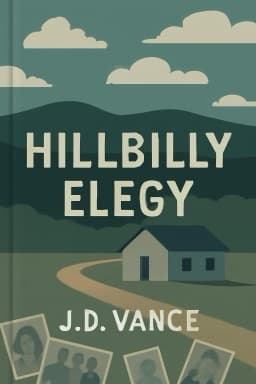
When ‘Hillbilly Elegy’ hit the shelves, it didn’t just tell J.D. Vance’s story—it forced America to confront uncomfortable truths about class and opportunity. The memoir became a touchstone for journalists, politicians, and everyday readers trying to understand the forces reshaping the nation.
Vance’s account of growing up poor in Appalachia—and his eventual escape—offered a window into a world rarely seen in mainstream media. It challenged comfortable assumptions about who struggles, why they struggle, and what it takes to succeed. The book’s popularity soared after the 2016 election, as pundits searched for explanations for the anger and frustration driving political change.
But the debate sparked by ‘Hillbilly Elegy’ is far from over. Critics argue that the memoir focuses too much on personal responsibility, downplaying the role of systemic forces like job loss, failing schools, and healthcare gaps. Supporters counter that Vance’s story is a necessary reminder that individual choices still matter—even in the face of overwhelming odds.
The impact of ‘Hillbilly Elegy’ can be seen in policy debates, academic research, and the way Americans talk about poverty. The book has inspired new efforts to address addiction, support families, and expand opportunity—but it has also exposed deep divisions about how best to do so.
As the conversation continues, ‘Hillbilly Elegy’ remains a powerful reminder that the fight for equality and opportunity is far from finished—and that the stories we tell about class matter more than ever.
Want to explore more insights from this book?
Read the full book summary